
Decommissioning a Food Processing Plant
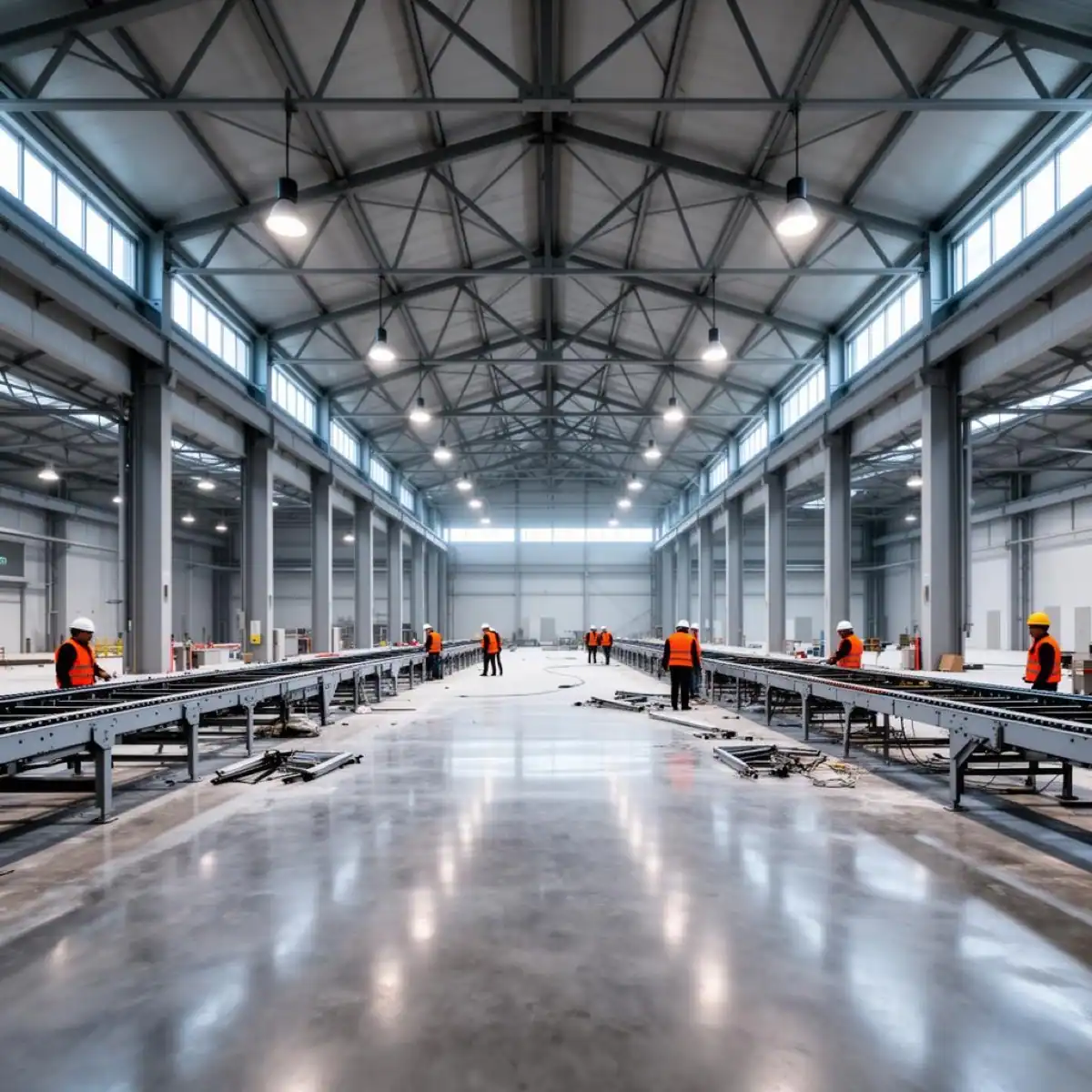
Florida and the Southeast have a large food and beverage manufacturing base: juice and citrus processing, bakeries, meat and poultry, seafood, dairy, bottling, and cold storage. When one of those plants closes or relocates, the decommissioning has a shape of its own, because food plants are built around refrigeration, sanitation, and stainless steel.
Refrigeration is the first decision
Almost every food plant runs a central refrigeration system, and on larger plants that system is ammonia. Ammonia systems are decommissioned under their own process safety rules: the charge is removed by qualified technicians, the system is purged and verified, and the documentation closes out the regulatory file. Nothing else in the refrigerated part of the plant should be touched until that is done. We cover the sequence in decommissioning an ammonia refrigeration system.
Plants running Freon-type refrigerants on packaged systems go through EPA Section 608 recovery instead. Either way, the compressors, condensers, evaporators, and chillers have resale value when they are recovered intact, and that recovery is planned before any demolition.
Process equipment has a real secondary market
Food-grade equipment is one of the better categories for resale. Stainless tanks, mixers, kettles, fillers, conveyors, ovens, fryers, pasteurizers, and packaging lines all have buyers, and equipment that was in service until the closure is worth more than equipment that has sat.
The sequence matters. Equipment is appraised, sold, and removed through the building's normal routes while the building is intact. Taking it out after demolition starts, or after months of sitting in a plant with the power off in a Florida summer, cuts the value substantially. The general rule is in what happens to equipment when a plant closes.
What does not sell as equipment is still stainless steel, which carries far more scrap value per pound than carbon steel. Separating stainless from mild steel during the cleanout is worth the labor.
Sanitary systems and drains
Food plants have extensive floor drains, trench drains, grease interceptors, and wastewater pretreatment systems. Before demolition, those are cleaned, the interceptors are pumped by a licensed hauler, and any pretreatment chemicals are removed. A grease interceptor that gets crushed full of product is an environmental problem and a disposal bill.
Clean-in-place systems carry caustic and acid chemicals in tanks and piping. Those are drained and neutralized as part of the utility isolation phase, along with steam, compressed air, and any CO2 or nitrogen systems in a beverage plant.
Insulated panels and cold rooms
Freezers and coolers in a food plant are built from insulated metal panels. The panels are removed intact where they can be reused, which is common, and otherwise separated so the metal skins go to scrap and the foam cores go to disposal. A cold room that is demolished as a mixed pile is expensive to dispose of and loses any panel resale. The broader cold-side process is in cold storage decommissioning.
Utilities and boilers
Food plants are heavy users of steam and hot water. The boiler room is decommissioned as its own scope: the boiler is drained, the fuel supply isolated, the burner and controls removed, and the boiler itself either sold or scrapped. We buy used boilers in serviceable condition, and older firetube units often still find a buyer.
The electrical room follows the same logic. Transformers, switchgear, and motor control centers are recovered before the structure comes down.
Sequence, start to finish
- Refrigeration charge removed and documented.
- Chemicals, fuels, and interceptors dealt with.
- Equipment appraised and sold; removal through existing routes.
- Utilities isolated and locked out.
- Interior strip-out, panels and stainless separated.
- Structural demolition or building handover, depending on the plan.
That order protects equipment value and avoids the regulatory problems that come from doing the building before the systems.
Frequently Asked Questions
Can the equipment be sold before the plant is fully shut down?
Yes, and it should be listed while it is still running if possible. Buyers pay more for equipment they can see operate.
What about product still in the plant?
Product, ingredients, and packaging are the owner's responsibility to remove or dispose of before the cleanout starts, or they become part of the scope.
Is stainless steel worth separating?
Yes. Stainless scrap is worth several times what mild steel brings, and food plants have a lot of it.
Do you handle the ammonia system?
We coordinate qualified refrigeration contractors for the charge removal and sequence the rest of the decommissioning around it.
Demo Dynasty handles plant cleanup and equipment recovery for food and beverage facilities across Florida and the Southeast from Auburndale, FL. Call (689) 323-4676 or request a quote.
Decommissioning a facility?
Full plant cleanup — equipment recovery, hazmat-aware, turnkey scopes.
Get a Plant Cleanup QuoteMore in Plant Cleanup
Utility Isolation and Lockout During a Plant Decommissioning
Every energy source in a facility has to be identified, isolated and verified before removal work starts. This is the plan that prevents the serious incidents.
What to Do With Process Piping
Miles of pipe in an industrial facility is either a disposal cost or a recovery, depending on what ran through it and how it comes out.
Closing Out a Plating Line or Process Tank System
Process tanks, plating lines and waste treatment systems have to be emptied, cleaned and documented before anything structural happens. The order is not negotiable.