
Selling Equipment During a Plant Shutdown
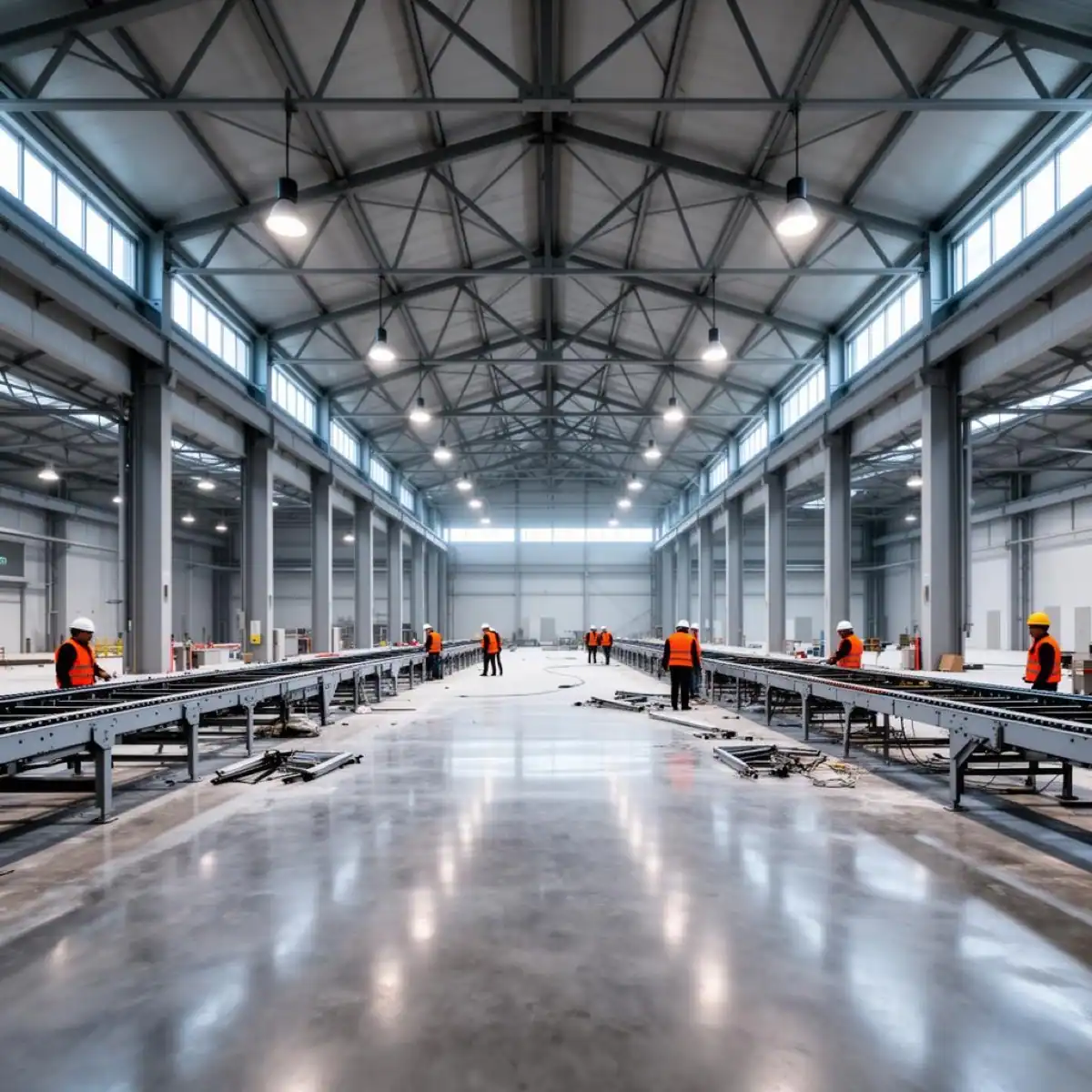
There's a right time to sell the equipment out of a closing plant, and it's earlier than most owners think. The instinct is to wrap up operations first, clear the offices, and deal with the machines "once we get to it." By then the equipment has sat idle for months, corroded in the Florida humidity, and lost buyers who needed it when it was still running. Selling during the shutdown — while the equipment is still connected, documented, and known-good — is how you capture the resale premium instead of watching it decay.
We buy equipment out of active shutdowns and coordinate the cleanup behind it. Here's why timing changes the number, and how to sequence it.
Why selling during the shutdown pays more
Idle equipment loses value. A chiller or genset that was running last week is a proven asset. The same machine after eight months of sitting dry, with seized bearings and rusting steel, is a question mark — and buyers discount question marks. Florida's heat and humidity accelerate this; galvanized and carbon-steel equipment can drop from resale-grade to scrap-grade in under a year of neglect.
You still have the documentation. During the shutdown your maintenance staff, service records, and run history are all still available. A load-bank report on a genset or a service log on a chiller can be pulled while people are still on-site. Six months after everyone's laid off, that paper trail is gone, and missing documentation costs you real money.
The buyer pool is wider. A machine that's still connected can be demonstrated running, which opens it to buyers who won't touch an unverified unit. Proof of function is the single biggest lever on price.
You control the removal window. Selling during the shutdown lets equipment removal be sequenced into the decommissioning cleanly, instead of scrambling a crane after the fact.
Sequence the sale into the shutdown
The winning move is to run equipment sales as a planned phase of the shutdown, not an afterthought. A clean sequence:
- Inventory early — while the plant is winding down, list and photograph every major asset. Nameplates, hours, run status.
- Get resale quotes on the recoverable equipment — chillers, generators, boilers, switchgear, cooling towers — before demolition planning starts.
- Schedule removal to lead the demolition — the valuable machines come out intact first; the crusher comes after.
- Roll the cleanup in behind it — debris removal and interior strip-out follow the equipment recovery.
This is the same order laid out in our plant decommissioning checklist, just with the emphasis on doing it while the plant is still warm.
What to sell, and what it's worth
The recoverable equipment in a shutdown is where the cash is.
- Chillers — York, Carrier, Trane centrifugal and screw units. A late-model 500 ton centrifugal is a headline asset. Start with what's my used chiller worth.
- Generators — Caterpillar, Cummins, Kohler, Generac standby sets hold value years out. See our seller's guide to used generators.
- Switchgear and transformers — name-brand lineups in working condition carry value well over scrap.
- Boilers and cooling towers — recoverable when intact and from major brands.
The field test is the same as always: major brand, under roughly 20 years old, working or recently offline — get a resale quote before scrapping it.
How the credit offsets the whole project
This is why timing and bundling matter together. A plant shutdown carries real costs — abatement, demolition, hauling, disposal. But the equipment coming out has market value, and when one party buys the equipment and does the cleanup, you get a single net number instead of two separate bills.
On an equipment-rich Florida plant — a healthy chiller plant, a couple of big gensets, switchgear — the recovery credit can offset a meaningful share of the decommissioning cost. Sell during the shutdown, while values are highest, and that offset is at its maximum. Let the equipment sit and rot, and the credit shrinks while the cleanup bill stays the same. We price it as one number on plant cleanup projects, and the broader math is in industrial demolition vs equipment salvage.
Avoid the classic timing mistakes
- Don't let the maintenance team leave before the equipment is documented. Their knowledge and records are worth money on the sale.
- Don't drain and abandon equipment "to deal with later." Idle time is value bleeding out, especially in Florida heat.
- Don't accept the first broker who promises to "find a buyer." A serious direct buyer schedules pickup inside two weeks; a vague six-week timeline means they're still shopping your equipment downstream.
What a good buyer needs from you during the shutdown
The smoother you make the buyer's due diligence, the faster and higher the offer. While the plant is still staffed, gather:
- Nameplate photos of every major machine — model, capacity, serial, voltage.
- Run status and hours — for gensets, the controller hour reading; for chillers, run history and last service date.
- Any test or service records — load-bank reports, refrigerant logs, maintenance history.
- Access details — where each machine sits, the path out, and whether a crane pick is needed.
- Your timeline — when the equipment has to be gone, so removal can be scheduled around it.
Handing a buyer this package during the shutdown is the difference between a firm written offer in 48 hours and a hedged "we'll have to come look" number weeks later. It's the same documentation discipline we push in how to sell your used commercial chiller — the paperwork is worth real money on the sale.
Bottom line
The best time to sell a plant's equipment is while the plant is still shutting down — connected, documented, and proven to run. Wait until after, and idle time, lost records, and Florida corrosion quietly erode the value. Inventory early, get resale quotes before demolition planning, and sequence removal to lead the teardown so the equipment credit offsets your cleanup bill. Bring us in during your shutdown and we'll value the equipment and price the cleanup as one net number.
Decommissioning a facility?
Full plant cleanup — equipment recovery, hazmat-aware, turnkey scopes.
Get a Plant Cleanup QuoteMore in Plant Cleanup
Utility Isolation and Lockout During a Plant Decommissioning
Every energy source in a facility has to be identified, isolated and verified before removal work starts. This is the plan that prevents the serious incidents.
What to Do With Process Piping
Miles of pipe in an industrial facility is either a disposal cost or a recovery, depending on what ran through it and how it comes out.
Closing Out a Plating Line or Process Tank System
Process tanks, plating lines and waste treatment systems have to be emptied, cleaned and documented before anything structural happens. The order is not negotiable.