
What to Keep During a Gut Rehab (and What Not To)
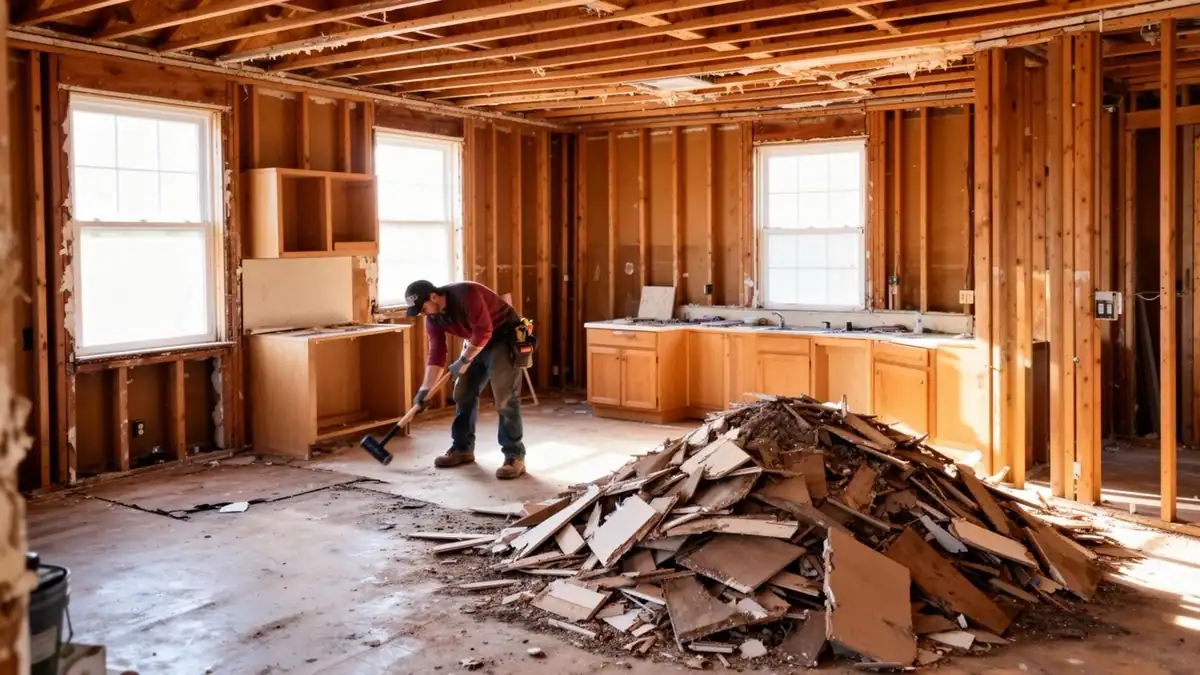
"Gut it" means different things to different people, and the difference is money. A crew that takes out everything that is not structure leaves the investor rebuilding things that were fine. A crew that takes out too little leaves the investor discovering problems after the drywall is back up. The scope conversation before the crew starts is where a good gut-out is made, and here is how to have it.
Always stays
Structure. Framing, block walls, trusses, and slab. A gut-out exposes them; it does not remove them. Where framing is damaged by rot, termites, or water, it is flagged and replaced by the framer, not demolished by the gut crew.
The roof structure. Sheathing and trusses stay unless the roofer says otherwise. Roof replacement is a separate scope.
Exterior envelope. Siding, stucco, block, and exterior sheathing stay. Windows are a decision, covered below.
Usually stays, decide deliberately
Plumbing stacks and drain lines. Cast iron drain lines in older Florida houses are often the reason the rehab exists, and if they are being replaced the gut-out should expose them fully. If they are sound, or if the plan is to line them, they stay and the crew works around them. Supply lines are more often replaced, and the gut-out can take them out.
The electrical panel and service. If the service is being upgraded, the old panel and wiring come out. If it is staying, the panel and the circuits feeding anything that stays live, such as the air conditioning or a security system, are preserved. Tell the crew which.
Windows. Impact-rated windows in good condition are expensive to replace and worth keeping. Old single-pane aluminum windows are almost always replaced, and it is easier to remove them during the gut-out than after the new drywall is up.
Tile floors on slab. Sound tile that fits the finish plan can stay. Tile that is cracked, dated, or not part of the plan comes out now, because removing it after the new baseboards are in is expensive. Thinset removal is real labor and should be in the scope.
Kitchen and bath layout elements. Tub surrounds, shower pans, and cabinets that are being replaced come out. Anything being kept, which is rare in a true gut, is protected.
Interior doors and trim. Usually out. Solid wood doors in a period house are sometimes worth saving and reusing, and the crew can set them aside if told.
Always goes
Drywall and plaster, ceiling texture, insulation being replaced, carpet and pad, laminate, vinyl, damaged subfloor on a frame house, cabinets and vanities being replaced, fixtures being replaced, and any wall being removed in the new floor plan. Non-load-bearing walls are identified before the crew starts. Load-bearing walls are not touched without an engineer's detail for the beam.
How to tell the crew
Walk the property with the demolition contractor and mark it. Painter's tape on anything that stays, and a written scope that lists the exceptions. The written scope is what the quote is based on, and it is what prevents the two most common problems: a wall coming down that should not have, and an item staying that the investor expected gone. The cost side of that scope is in gut renovation cost per square foot: the demolition half.
Salvage
Some items are worth pulling carefully rather than demolishing: newer appliances, a recent water heater or air handler, solid doors, hardware, and some fixtures. They can be reused, sold, or donated. Tell the crew what to set aside; the default on a gut-out is that everything not marked goes in the dumpster.
Frequently Asked Questions
Should the drywall come off walls that look fine?
On a true gut, yes. The walls are opened to inspect and replace wiring, plumbing, and insulation. Selective gut-outs that leave some walls closed are possible but should be a deliberate decision.
Can the crew tell what is load-bearing?
An experienced crew can identify likely bearing walls, but the decision to remove one needs an engineer. The gut-out leaves bearing walls standing.
What about the air conditioning?
If the system is being replaced, the air handler and ductwork come out. If it is staying, it is protected and kept live so the house stays dry during the rehab.
How long does a gut-out take?
Most houses are done in a few days. Sizes, stories, and how much is being preserved move the number, as covered in how long does it take to gut a house.
Demo Dynasty handles house gutting and debris removal for investors across Florida from Auburndale, FL. Call (689) 323-4676 or request a quote.
Fix-and-flip or rehab portfolio?
House gut-outs in 2–5 days. Volume pricing for repeat investors.
Get an Investor QuoteMore in Investor Guides
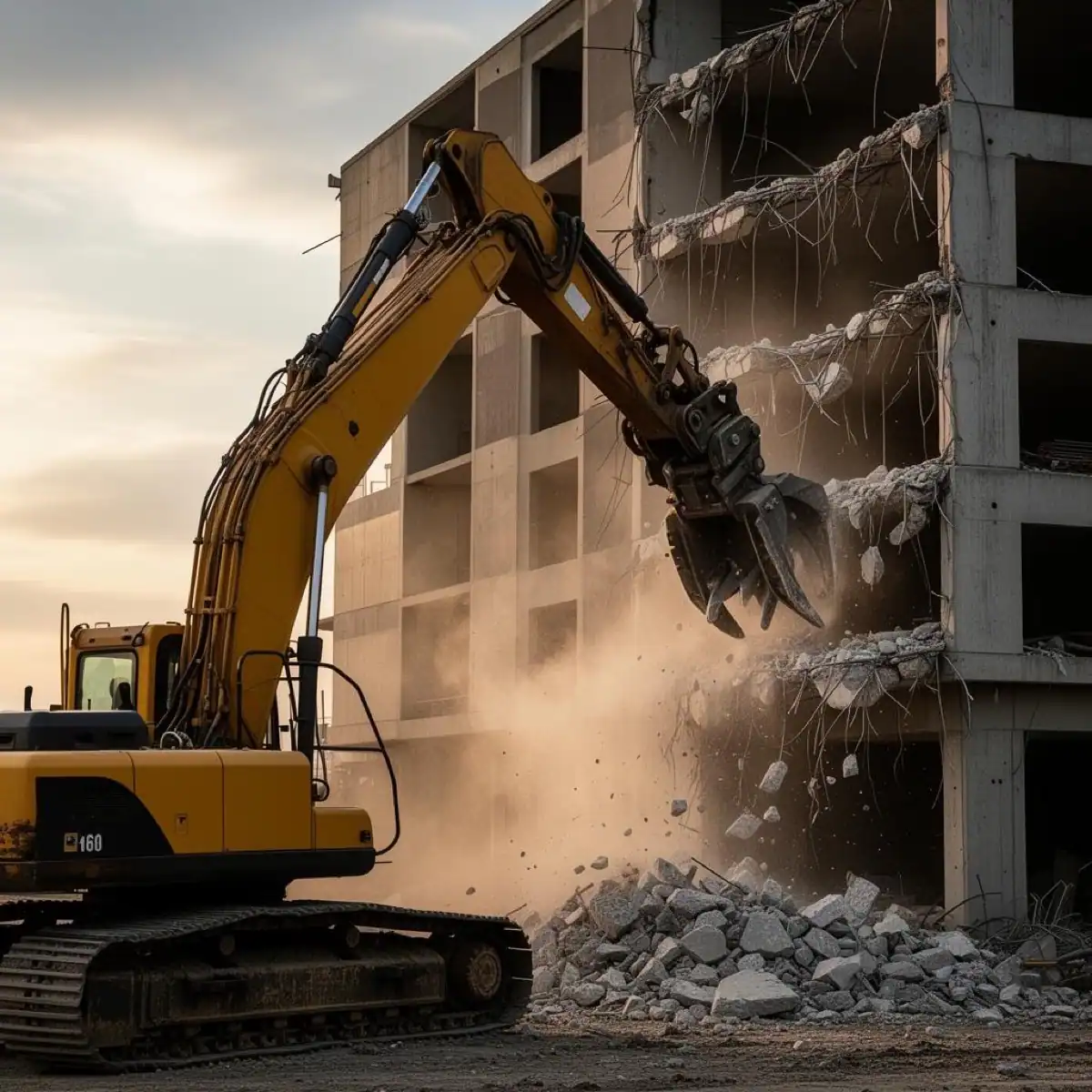
What It Costs to Get an Industrial Parcel Development-Ready
Between buying a closed plant and putting something new on it sits a set of costs that are predictable if you ask for them.
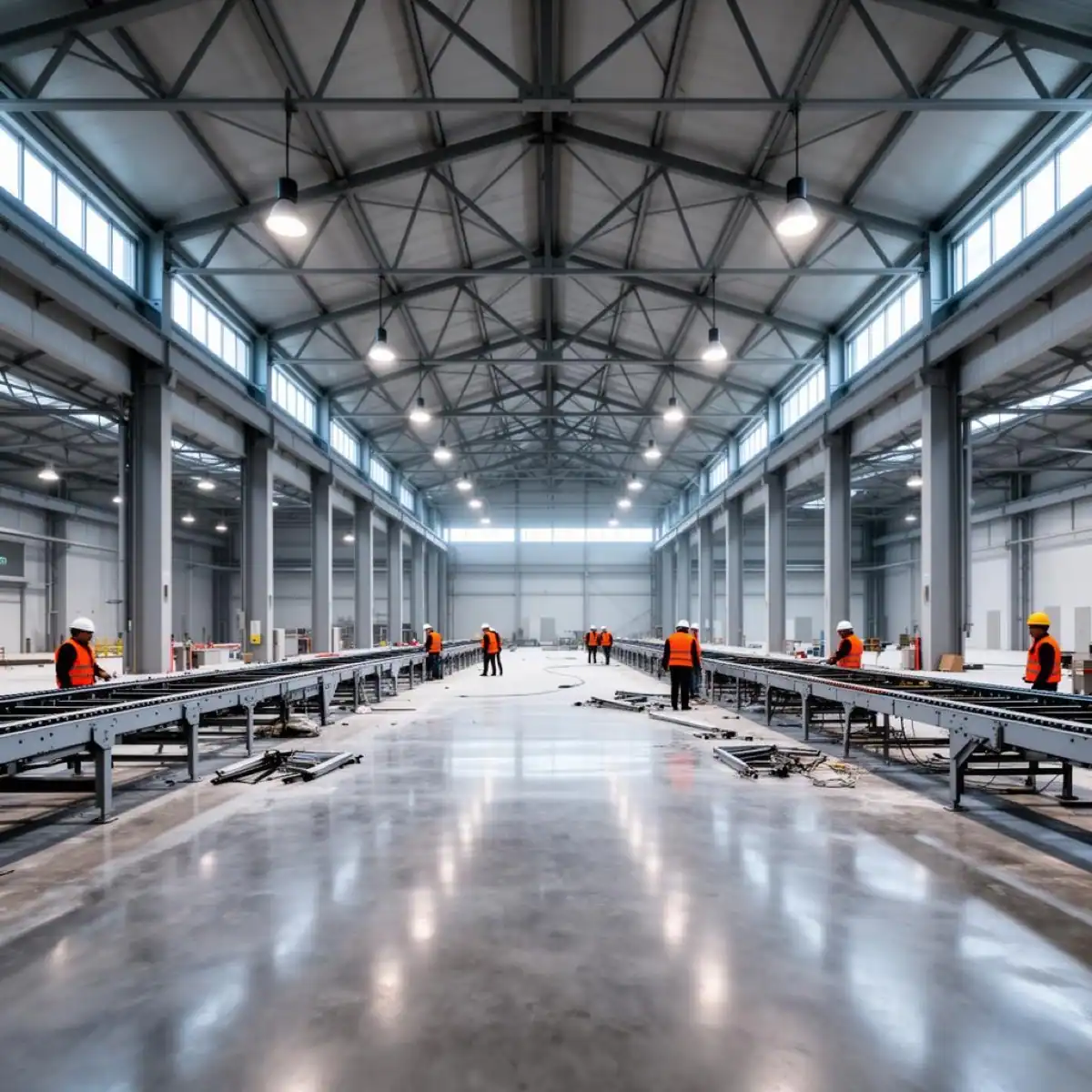
Buying a Closed Industrial Plant: What to Check First
Closed plants trade at a discount for reasons. Environmental status, structure, equipment and demolition cost decide whether the discount is real.
Gutting a House After Water Damage in Florida
Flooded and storm-damaged houses need a specific kind of gut-out, fast. What comes out, how far up the wall, and why the clock matters in Florida's climate.