
Selling Used Cooling Towers
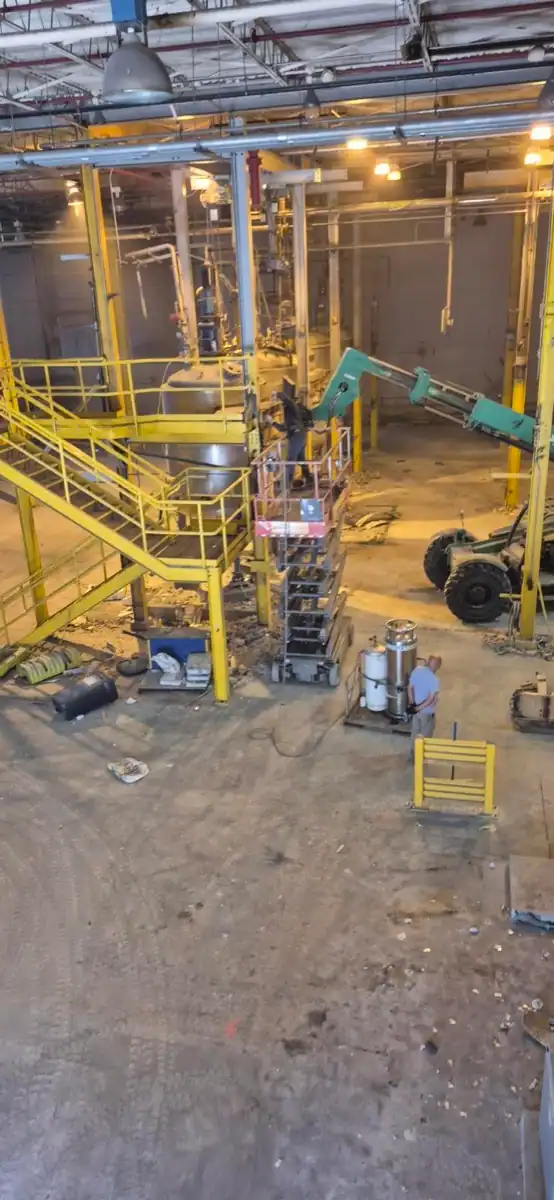
Cooling towers are one of the most underestimated assets on a plant roof. Because they sit outside, take weather all year, and look industrial-plain, owners assume they're worthless once a chiller plant comes offline. In reality a field-erected or packaged tower from BAC, Marley/SPX, or Evapco — the three names that dominate the market — can carry meaningful resale value if the structure and fill are sound. The trick is knowing what a buyer actually pays for and how to get the unit down without destroying it.
We buy cooling towers directly and move them into the resale channel. Here's the operator's view of what your tower is worth and how to sell it.
What a buyer is really paying for
A cooling tower is a collection of components, and the resale value lives in the ones that survive weathering.
The structure and basin. Material is the first thing a buyer checks. FRP (fiberglass) and stainless-steel towers hold value far better than galvanized steel, which corrodes at the waterline and in the basin. A galvanized unit with basin rot is often worth more as scrap and salvage parts than as a resale tower.
Fill and drift eliminators. Clean, intact PVC film fill is reusable. Collapsed, scaled, or biofouled fill has to be replaced by the next owner, and that cost comes straight off your offer.
Fans, gearboxes, and motors. The mechanical package — fan, gearbox or belt drive, and motor — is often the most valuable recoverable content on an older tower. Even when the structure is scrap, a good gearbox and motor sell.
Tonnage and configuration. Nominal cooling tonnage is the headline spec. Packaged units in the 200 to 1,200 ton range have the deepest resale demand because they fit common commercial and industrial replacement jobs. Very large field-erected cells are worth more in absolute dollars but move to a narrower buyer pool.
As a frame: a sound FRP or stainless packaged tower in the 300 to 800 ton range with good fill and a working mechanical package can transact in the low-to-mid five figures. A rotted galvanized unit of the same size may only bring scrap-plus-parts money — a few thousand dollars. Material and condition decide which world you're in.
Do this before you list
The cooling tower market rewards documentation the same way the chiller market does.
- Nameplate photos — manufacturer, model, nominal tonnage, motor HP, and voltage.
- Basin, fill, and drift-eliminator photos taken from inside if you can access it safely.
- Mechanical package shots — fan, gearbox, and motor nameplate.
- A note on run status — was it in service when shut down, or has it sat dry for years?
A tower that was pulled from active service last month is a very different sale from one that's been baking on a roof for five years. Tell the buyer the truth; it sets the right offer instead of a renegotiation on pickup day. The same honesty principle drives our advice in how to sell your used commercial chiller.
Who buys, and how they price
The market splits the same three ways as every other piece of used plant equipment. Brokers take a 15 to 30 percent margin and never own the unit. Scrap yards pay for the aluminum, copper, and steel content — real money on the motor and gearbox, near-zero on FRP structure. Direct end-buyers like us pay for the tower as a machine when it's resellable, and pay salvage-plus-scrap when it isn't. For any sound FRP or stainless unit from BAC, Marley, or Evapco, going direct captures the resale premium. We laid out that buyer landscape in detail in who buys used industrial boilers and the logic transfers cleanly to towers.
If the tower is coming down as part of a chiller plant retirement, sell it alongside the chillers — bundling the recoverable equipment is how you offset the cost of the whole plant decommissioning.
Getting it down without wrecking it
This is where cooling-tower sales earn or lose money, because a careless teardown converts a resale tower into scrap.
- Disconnect — condenser water supply and return, make-up water, bleed/blowdown, and electrical to the fan motor. Isolate and drain the basin first.
- Roof rigging. Most towers sit on a roof or elevated steel structure, so removal usually means a crane pick, sometimes from the street with a permit. Weight varies widely — a packaged 500 ton unit can run 8,000 to 20,000 lbs dry depending on material.
- Controlled disassembly for field-erected or oversized units. Clean panel-by-panel breakdown preserves the fill, drift eliminators, and structure for reassembly. Random torch work does not.
- Transport on a flatbed; tall or wide sections may need permits.
- Roof and curb left clean, with penetrations covered.
Compare every offer on a removal-included basis, and confirm the buyer actually has a rigging plan. A buyer who never asks how the tower comes off the roof hasn't priced the crane, and you'll meet that gap as a renegotiation later. Our cooling-tower offers fold the crane, disassembly, and hauling into one number.
Realistic timeline
- Day 0: send nameplate, tonnage, and condition photos.
- Day 1 to 3: written offer.
- Day 4 to 7: accept, schedule the crane.
- Day 10 to 21: crane day, teardown, payment, unit leaves.
Cooling towers run a few days longer than a genset sale because of crane scheduling, but a serious buyer still closes inside three weeks.
Bottom line
Don't let a plain-looking rooftop tower get thrown in the demolition dumpster. An FRP or stainless unit from BAC, Marley, or Evapco with sound fill and a working mechanical package is a resale asset, and even a corroded galvanized tower has salvageable motors and gearboxes worth recovering. Shoot the nameplate, document the condition, and take it to a direct buyer who can either resell the whole unit or recover the parts. Send us the details and we'll price it out, crane and removal included.
Got equipment to sell?
Cash offers in 24–48 hours. Nationwide pickup. Any condition.
Get a Cash OfferMore in Selling Equipment
Selling a Chiller Plant: Whole or Piece by Piece?
A complete central plant sometimes sells better as a system than as components. Here is how to tell which case you are in.
Why Removal Access Changes What Your Equipment Is Worth
A buyer prices the equipment and the extraction together. What you can do about access, and what it is worth.
What Actually Determines Used Equipment Resale Value
Age matters less than most sellers assume. Condition, documentation, removal difficulty and market depth matter more.