
Decommissioning a Textile Mill in the Southeast
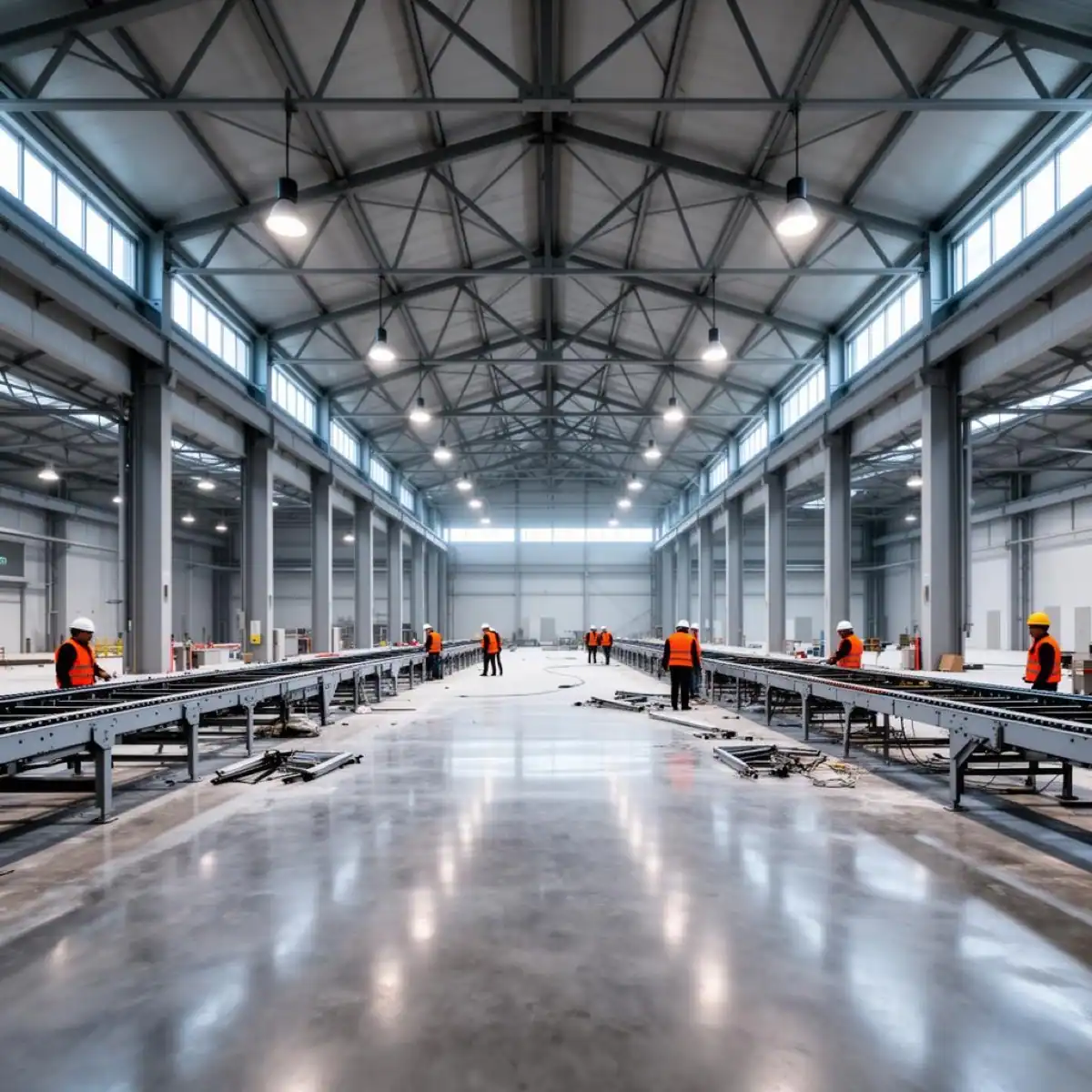
The Southeast's textile industry has been contracting for decades, and its buildings are still coming out of service: yarn and fabric mills in the Carolina piedmont, dyeing and finishing plants, and more recent nonwovens and technical textile facilities in Georgia and South Carolina. We work these projects from Charlotte through Charleston to Savannah and Atlanta, and they have a character that is different from a modern warehouse.
Two generations of buildings
Older mills are multi-story heavy timber and brick, built for line-shaft power and later converted. Newer plants are single-story steel or tilt-wall with large open floors. The cleanout is similar. The demolition is not.
Heavy timber mills are a demolition contractor's mixed blessing. The timber and brick both have salvage value: reclaimed heart pine beams and antique brick sell to the architectural market, and on some projects that salvage is a real credit. But the buildings are tall, the floors carry decades of oil, and the structure is often in worse condition than it looks. They are worked carefully and from the top down.
Modern textile plants demolish like any large industrial building, with the usual questions about slab, pavement, and structure type covered in warehouse demolition cost in Florida, which applies equally in Georgia and the Carolinas.
Machinery
Textile machinery is heavy, numerous, and specialized. Spinning frames, looms, knitting machines, dyeing jets, tenter frames, and finishing ranges fill the floor. Whether any of it has resale value depends on the age and the state of the market in that segment, and it is worth having someone who knows the equipment look before assuming it is scrap. Late-model machines regularly sell, often for export.
What does not sell is scrap, and a mill floor is a lot of steel and cast iron. It is separated from the electrical and any aluminum and copper as it comes out.
Lint, dust, and fire
Textile plants accumulate lint in ductwork, above ceilings, in the air handling systems, and behind machinery. Cotton dust is a combustible dust, and a decommissioning that involves cutting torches in a plant that has not been cleaned is a serious fire risk. The plant is cleaned before hot work begins, and the dust collection system is emptied and handled as its own scope.
Older mills also have the usual asbestos concerns: pipe insulation on steam lines, floor tile, and roofing. The survey comes before any disturbance.
Steam and boilers
Dyeing and finishing plants run on steam. The boiler plant is a major system: boilers, deaerators, feedwater and condensate systems, and a steam distribution network across the plant with extensive insulation. The boiler plant is decommissioned as its own scope after the utility isolation, and serviceable boilers are recovered for resale. We buy used boilers and appraise them as part of the project.
Water and wastewater
Dye houses have wastewater pretreatment and sometimes on-site treatment plants. Tanks, clarifiers, and chemical feed systems are emptied, cleaned, and closed out, and any remaining treatment chemicals are removed by a licensed hauler. This is frequently where the environmental consultant's work and the demolition contractor's work meet, and the sequence is agreed in advance.
Electrical and compressed air
Mill electrical rooms hold transformers, switchgear, and motor control centers sized for a large motor load. Compressed air systems serve the spinning and weaving floors. Both are recovered intact and appraised. On a plant that ran until recently, that equipment is often the single largest credit on the project.
Frequently Asked Questions
Do you work outside Florida?
Yes. We are based in Auburndale, FL, and mobilize crews for plant projects across the Southeast, including Charlotte, Charleston, Savannah, and Atlanta.
Is the heavy timber worth saving?
Often. Reclaimed heart pine and antique brick have an architectural market. Whether the salvage is worth the added labor depends on the building's condition and access.
What is the fire risk?
Lint and cotton dust in an uncleaned plant are combustible. The plant is cleaned before any torch work, and the dust collection system is dealt with first.
How is the machinery valued?
By someone who knows the segment. Late-model textile machinery regularly sells for export. Older machines are scrapped, and the tonnage is still significant.
Demo Dynasty provides plant cleanup, equipment recovery, and demolition for industrial closures throughout the Southeast. Call (689) 323-4676 or request a quote.
Decommissioning a facility?
Full plant cleanup — equipment recovery, hazmat-aware, turnkey scopes.
Get a Plant Cleanup QuoteMore in Plant Cleanup
Utility Isolation and Lockout During a Plant Decommissioning
Every energy source in a facility has to be identified, isolated and verified before removal work starts. This is the plan that prevents the serious incidents.
What to Do With Process Piping
Miles of pipe in an industrial facility is either a disposal cost or a recovery, depending on what ran through it and how it comes out.
Closing Out a Plating Line or Process Tank System
Process tanks, plating lines and waste treatment systems have to be emptied, cleaned and documented before anything structural happens. The order is not negotiable.