
Industrial Demolition in Charleston
Industrial demolition and equipment recovery across Charleston and the South Carolina Lowcountry — port logistics, manufacturing, and aerospace and automotive supplier facilities.
Charleston's industrial economy has changed shape considerably in the last two decades. The port drives logistics and distribution at scale, and the aerospace and automotive investment in the region built a supplier network of manufacturing facilities that did not exist before. Facility turnover in that network — consolidations, programme changes, relocations — is what generates decommissioning work.
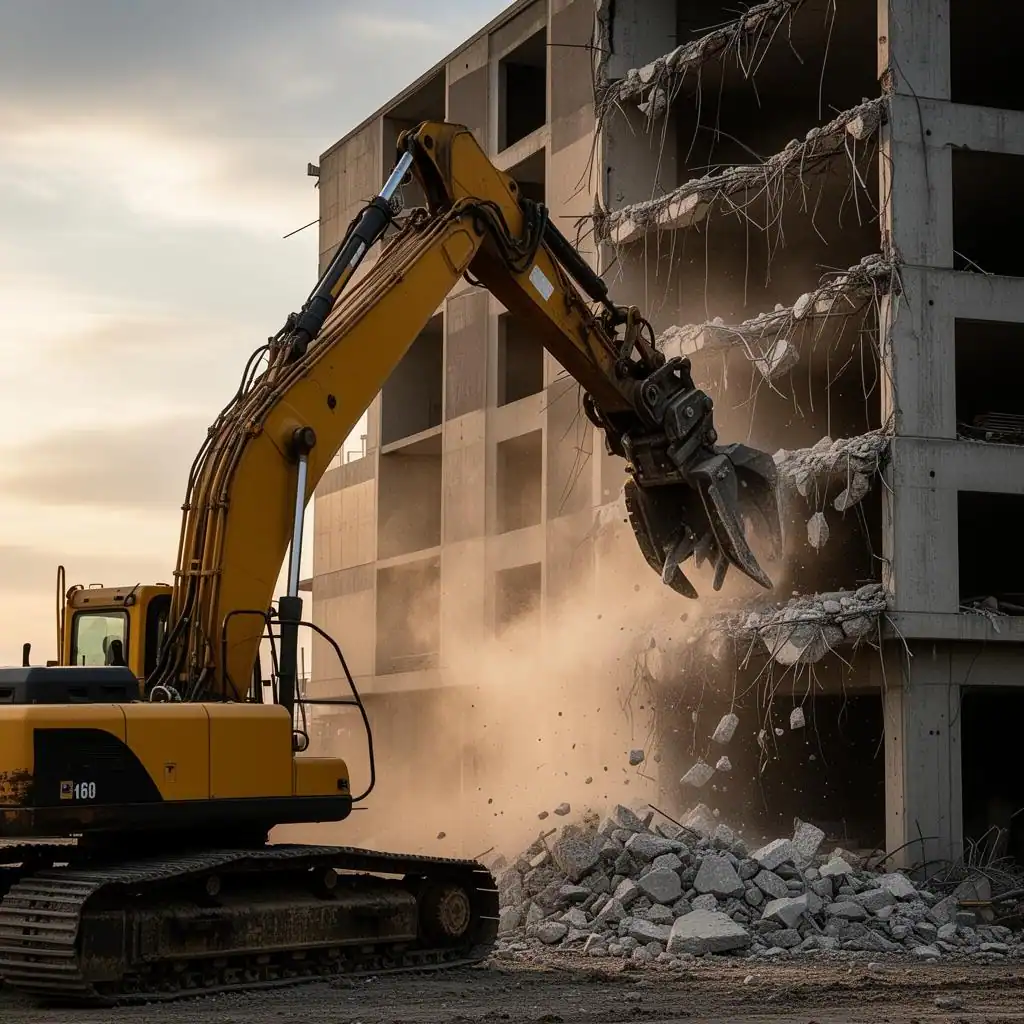
Charleston is an out-of-state project market for us, staged for the duration rather than commuted. On the manufacturing and supplier facilities that define this market, the equipment recovery credit typically covers the mobilization comfortably — and we put both figures on the quote.
Full-Scope Industrial Demolition.
Supplier facilities are the most interesting from a recovery standpoint. They tend to be modern, well-equipped and well-maintained, with precision machine tools, compressed air systems, process cooling, substantial electrical distribution and material handling. When a programme ends or a line relocates, that equipment is worth considerably more sold properly than scrapped, and the difference frequently changes the economics of the whole project.
Plant & Facility Teardown
Full or partial demolition of manufacturing plants, warehouses, cold storage, and processing facilities.
Interior & Structural Demo
Interior strip-outs, selective structural demolition, concrete and slab removal, and phased teardowns.
Equipment Recovery
We recover and buy the chillers, boilers, generators, and switchgear inside — offsetting your demolition cost.
Permitted & Compliant
Local permitting, asbestos/hazmat coordination, OSHA-compliant crews, and clean chain-of-custody.
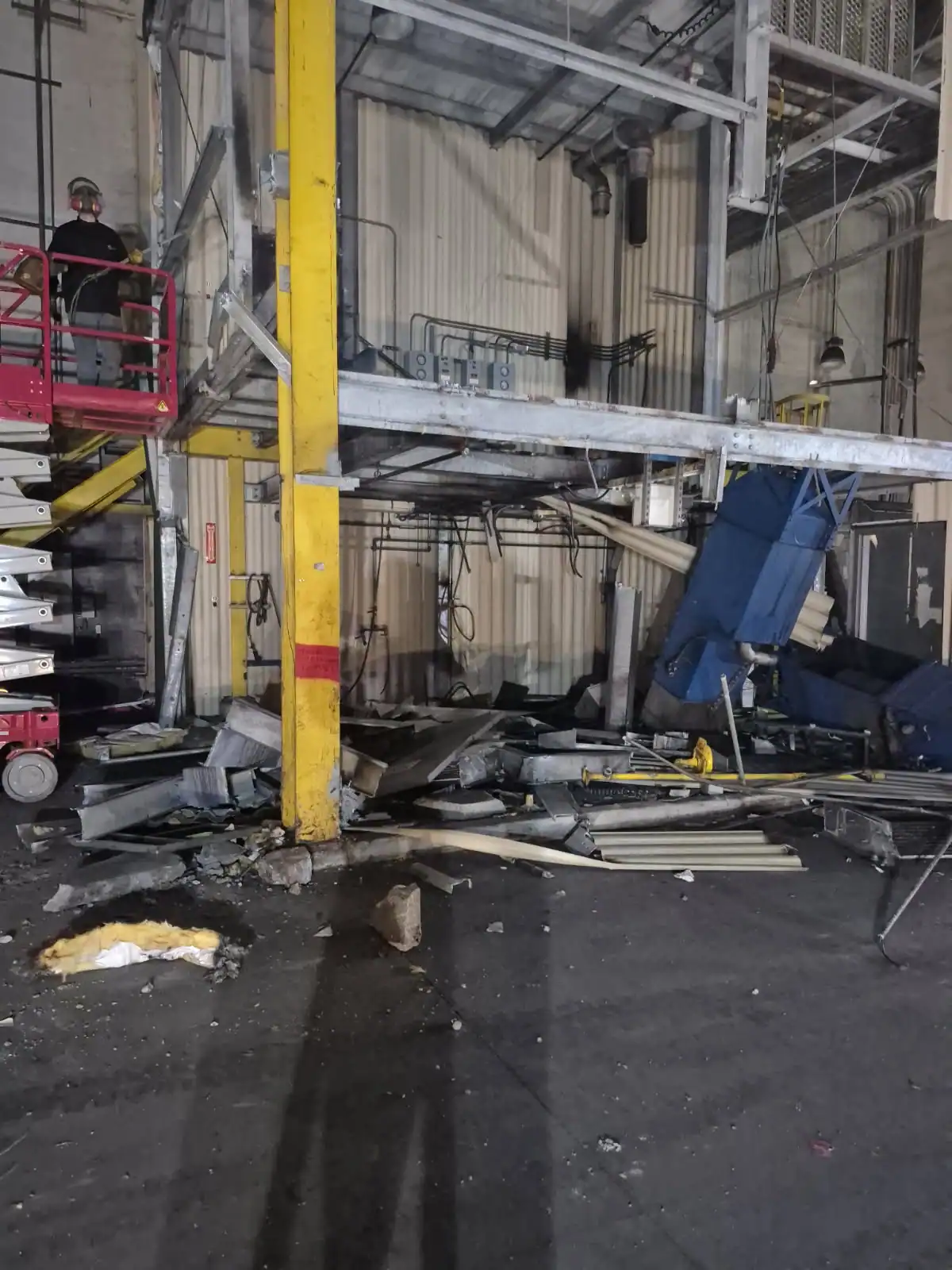
- Crews staged for the project duration, mobilization priced openly
- Modern supplier-plant equipment recovery — machine tools, air systems, MCCs
- Coastal conditions accounted for: corrosion, water table, environmental controls
- We buy compressors, transformers, switchgear, chillers, cranes and machine tools
The Demolition Company That Pays You Back for What's Inside
Port-adjacent warehouse and distribution stock is the other half of the market. Large footprints, heavy structural steel, substantial electrical service, dock and material handling equipment, and the accumulated modifications of decades of continuous use. Older buildings in this category regularly contain more recoverable equipment than the current owner is aware of.
We're both a demolition contractor and an industrial equipment buyer, so before the structure comes down we recover the assets that still have value — chillers, boilers, generators, transformers, and switchgear — and credit that value against your demolition cost. Pair that with a full plant decommissioning and cleanup or a selective interior strip-out, and you've got one accountable crew handling the whole job.
Lowcountry conditions are worth a mention. Salt air accelerates corrosion in steel and in mechanical and electrical equipment, high water tables complicate foundation removal, and coastal environmental sensitivity affects debris handling and dust control. We factor those into the plan rather than discovering them during the work.
Charleston Demolition: Common Questions
What kind of equipment comes out of a supplier plant?+
Precision machine tools, air compressors and dryers, process chillers and cooling, transformers and switchgear, motor control centers, material handling and overhead cranes. Modern supplier facilities are well maintained, which means the equipment resells well rather than scrapping out.
Does the high water table affect foundation removal?+
Yes. Deep foundation and pit removal in the Lowcountry frequently needs dewatering, which adds cost and requires a plan for where the water goes. It is worth identifying at the walk because it is a common source of change orders when it is not.
How does an out-of-state contractor price mobilization?+
Openly, as a line item, with staging rather than commuting. We do not hide it in unit rates. On equipment-rich work the recovery credit typically exceeds it comfortably; on small teardowns it does not, and in that case a local contractor is the better answer.
Can you buy equipment without doing the demolition?+
Yes. Plenty of our purchases are from facilities that are consolidating or relocating rather than closing. We appraise, rig, remove and pay for equipment as a standalone transaction with transport handled.
What comes first on a plant decommissioning?+
The inventory and appraisal, because everything else depends on what is actually there. Then the shutdown and isolation plan, environmental clearance for tanks and process systems, equipment removal in a sequence that protects value, and structural demolition last.
Have a Charleston site to bring down?
Demolition, equipment recovery, and cleanup under one roof — with the value inside credited back to you.