
Industrial Demolition in Savannah
Industrial demolition and equipment recovery across Savannah and coastal Georgia — port logistics, manufacturing, and warehouse and distribution facilities.
Savannah's industrial economy is built around one of the busiest container ports in the country, and everything that supports it: warehousing and distribution at enormous scale, manufacturing that located here for the logistics, and the utility and infrastructure that serves both. Facility turnover in that environment is constant.
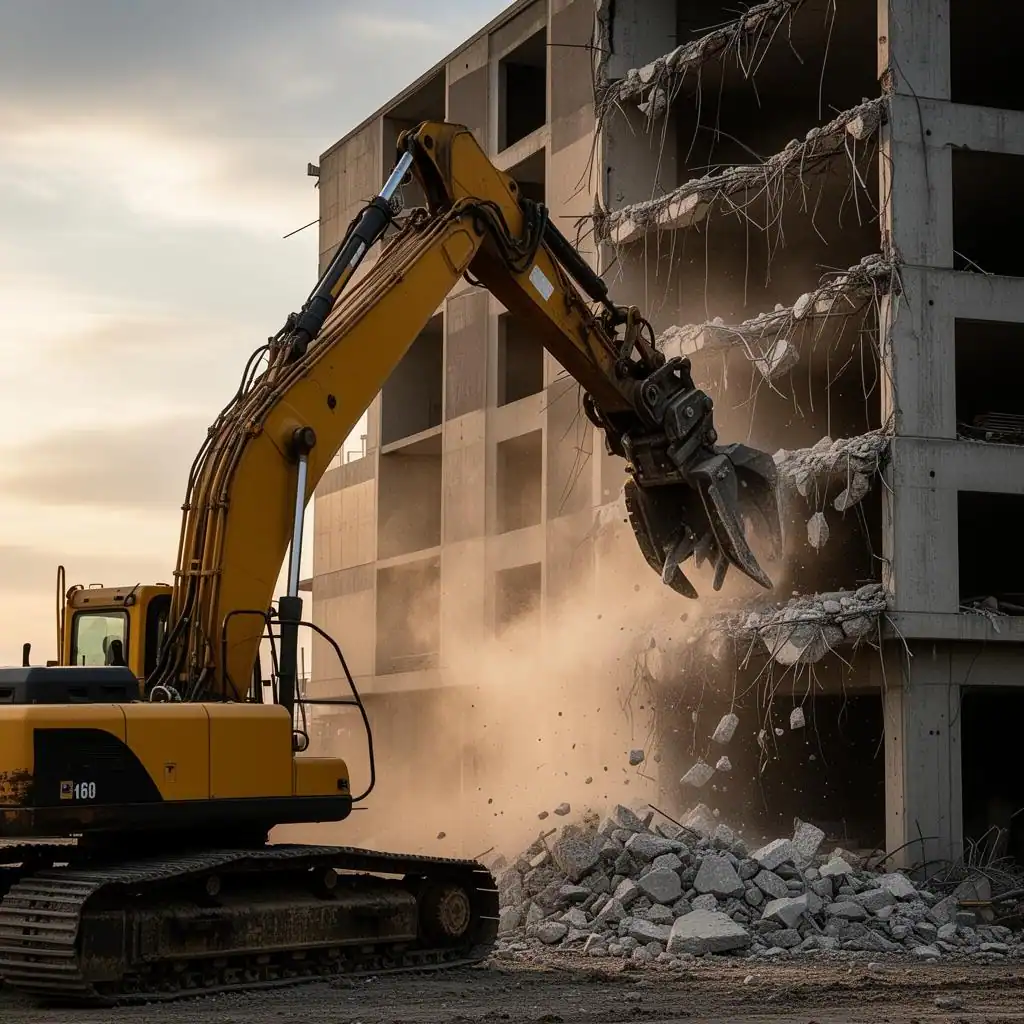
Savannah is an out-of-state project market for us, staged rather than commuted. On port-adjacent and manufacturing work of meaningful size, the equipment recovery credit routinely covers the mobilization several times over, and we show both numbers on the quote.
Full-Scope Industrial Demolition.
Port-adjacent industrial work has particular characteristics. Buildings are large and often older than they look because they have been continuously modified, structural steel is heavy, electrical distribution is substantial, and the sites carry a long history of material handling equipment that has been added, replaced and abandoned in place over decades. That last point matters for recovery, because there is frequently more in a building than the current owner is aware of.
Plant & Facility Teardown
Full or partial demolition of manufacturing plants, warehouses, cold storage, and processing facilities.
Interior & Structural Demo
Interior strip-outs, selective structural demolition, concrete and slab removal, and phased teardowns.
Equipment Recovery
We recover and buy the chillers, boilers, generators, and switchgear inside — offsetting your demolition cost.
Permitted & Compliant
Local permitting, asbestos/hazmat coordination, OSHA-compliant crews, and clean chain-of-custody.
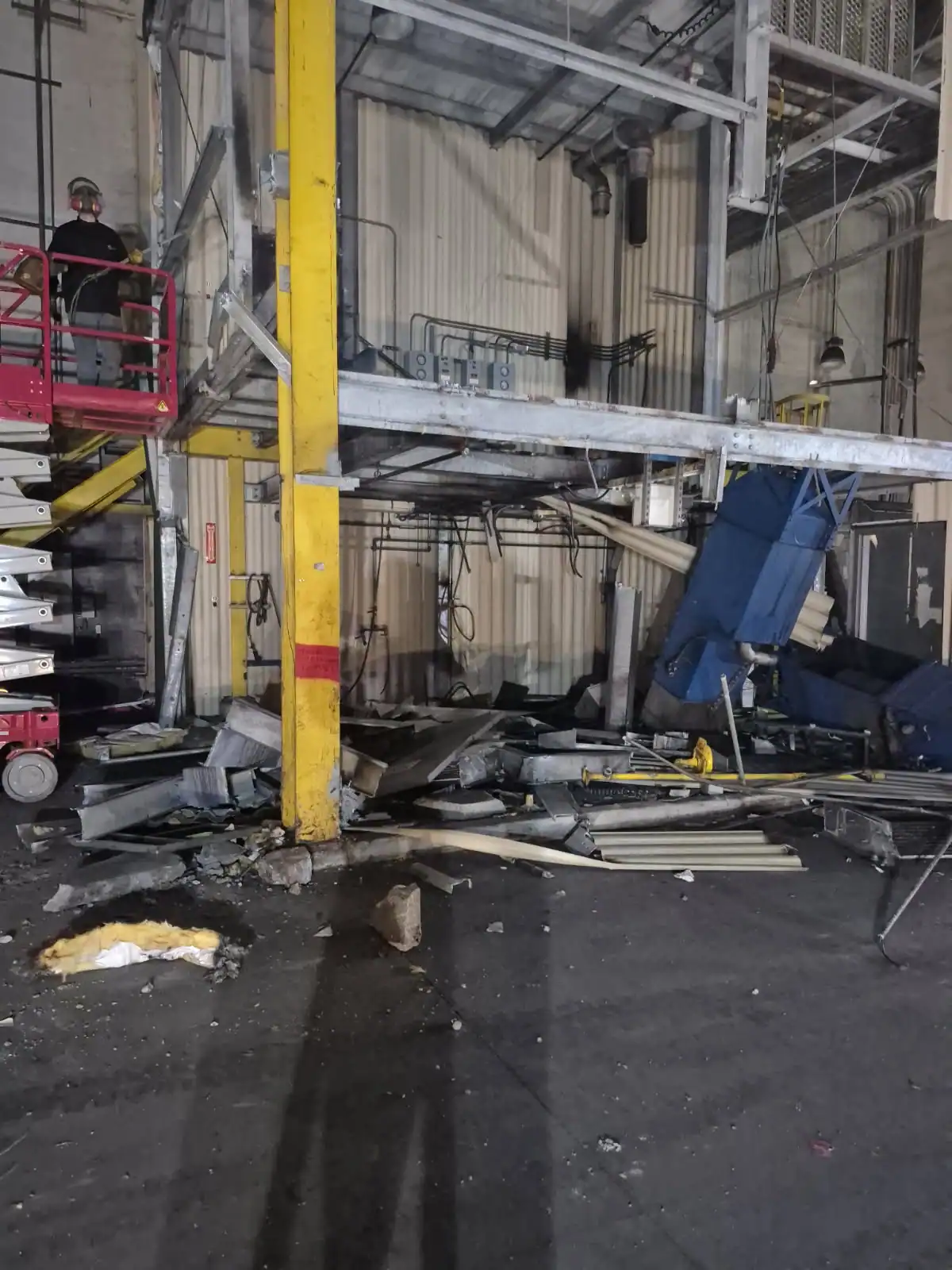
- Crews staged for the project duration, mobilization priced openly
- Port-adjacent and heavy warehouse structure experience
- Corrosion-aware structural planning and honest equipment appraisal
- We buy compressors, transformers, switchgear, chillers, cranes and conveyors
The Demolition Company That Pays You Back for What's Inside
Coastal conditions change the structural picture. Salt air accelerates corrosion in steel framing, connections, and mechanical and electrical equipment, which affects how a building behaves during demolition and what condition recovered equipment is actually in. We assess that during the walk rather than assuming, because an optimistic appraisal on corroded equipment helps nobody.
We're both a demolition contractor and an industrial equipment buyer, so before the structure comes down we recover the assets that still have value — chillers, boilers, generators, transformers, and switchgear — and credit that value against your demolition cost. Pair that with a full plant decommissioning and cleanup or a selective interior strip-out, and you've got one accountable crew handling the whole job.
Manufacturing and warehouse facilities in Chatham County carry the equipment we buy: large air compressors and dryers, transformers and switchgear, motor control centers, chillers and cooling towers, boilers, pumps, motors, conveyors and overhead cranes. That appraisal happens before the demolition is priced, and the credit comes off the job total.
Savannah Demolition: Common Questions
Does coastal corrosion change a demolition plan?+
It can. Corroded structural steel and connections behave less predictably during demolition, which affects sequencing and the safety plan. It also affects equipment recovery — heavily corroded gear has less resale value than the same equipment inland, and we price that honestly rather than optimistically.
Do you work port and logistics facilities?+
Yes. Large-footprint warehouse and distribution buildings, material handling systems, dock equipment and the electrical infrastructure that supports them are all familiar work, and they are usually more equipment-rich than the owner expects.
How does the mobilization cost compare to the equipment credit?+
On an equipment-rich facility it is not close — the credit is the larger number, often by a wide margin. On a small, empty building it is the other way around, and in that case we will tell you a local contractor makes more sense.
Can you handle conveyor systems and overhead cranes?+
Yes, both for recovery and for removal. Conveyors and cranes carry real resale value when they come out intact, which requires planning the disassembly rather than cutting them apart. That is the difference between a scrap price and an equipment price.
What is the first step on a Savannah project?+
A site walk and an equipment inventory. We need to see what is actually in the building before either number — the demolition price or the recovery credit — means anything. For out-of-state work we schedule that walk deliberately and combine it with any other regional work on the calendar.
Have a Savannah site to bring down?
Demolition, equipment recovery, and cleanup under one roof — with the value inside credited back to you.