
Buying a Used Chiller in Florida: What to Know First
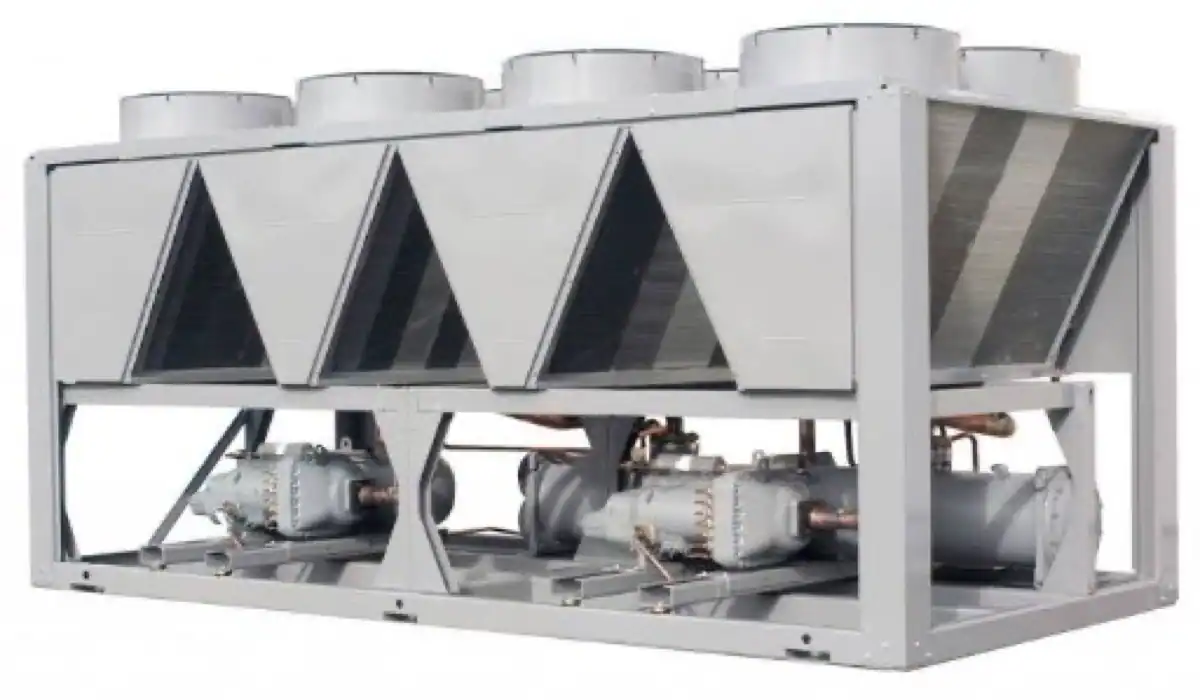
Buying a used chiller in Florida is one of the smarter capital moves a facility can make — if you go in with your eyes open. We buy and resell this equipment all over the state, and the buyers who get burned almost always skipped the same handful of basics. This is the short version of everything we'd tell a friend before they wired a deposit.
A used commercial chiller in the 150-to-1,500-ton range can run 40 to 70 percent below new-equipment pricing. That's a serious saving on a piece of gear that will run for another 15 to 20 years if it was maintained. But Florida adds a few wrinkles you won't find in a dry climate, and those wrinkles are where money gets lost.
The Florida climate changes the math
Chillers in Florida don't get a winter off. High humidity means you're fighting latent load nearly year-round, which affects two decisions.
- Sizing. Oversizing feels safe but backfires here. An oversized chiller short-cycles, and short-cycling in a humid climate means it never runs long enough to pull moisture out of the air. You end up with a cold, clammy building. Match the unit to your real load — here's how to size a used chiller.
- Duty cycle. Because the equipment runs hard all year, a used Florida unit may have more run hours than an equivalent northern unit of the same age. That's not automatically bad — a well-maintained high-hour chiller beats a neglected low-hour one — but it means run history matters more than the number on the hour meter.
Refrigerant is the trap most buyers miss
The cheapest used chillers on the market often run older refrigerants, and there's a reason they're cheap.
- R-22 and R-123 are being phased down. You can still service these units, but reclaimed refrigerant gets pricier and harder to find every year. Buy one only if the discount genuinely reflects the future service cost.
- R-134a, R-513A, and R-1234ze are the modern picks — stable supply, current technology, and they hold resale value if you ever sell the unit yourself.
We lay the whole thing out in used chiller refrigerants explained. Don't let a low sticker price talk you into a refrigerant headache.
Vet the unit before you pay a dime
A repainted cabinet hides a lot. Here's what actually tells you whether a chiller is worth buying:
- Nameplate data: model, serial, tonnage, refrigerant, voltage, full-load amps. This is non-negotiable.
- Run history and service records. A unit that ran within the last 12 months on a maintenance contract is a different animal from one that sat idle for three years.
- Compressor oil analysis on centrifugal and screw units — it reveals bearing wear and metal contamination you can't see.
- Tube bundle condition — eddy-current testing on the evaporator and condenser bundles catches tube wall thinning before it becomes a flood.
- Controls and starters intact and functional, not stripped for parts.
Work through our full used chiller buying checklist and know what to inspect before buying a used chiller. These two together will keep you out of 90 percent of the trouble.
Budget for rigging, not just the chiller
The purchase price is only part of the total. A 500-ton chiller weighs 15,000 to 25,000 pounds and doesn't walk itself into your mechanical room.
- Air-cooled units go outside or on the roof and often need crane placement.
- Water-cooled units live indoors and connect to a cooling tower and condenser water loop, which adds piping and pump work.
- Access matters. A straight shot through a louvered wall is cheap. A basement mechanical room with a tight rigging path can cost more to access than the chiller cost to buy.
Not sure which configuration fits your site? Start with air-cooled vs water-cooled used chillers.
Two Florida line items people forget
- Sales tax. Florida taxes equipment purchases. Build it into your budget from the start. Certain manufacturing-use purchases may qualify for exemption, so ask your accountant before assuming either way.
- Hurricane season. June through November, don't let a purchased chiller sit exposed in a staging yard. Confirm covered storage or schedule delivery and installation to avoid leaving six figures of equipment out in a named storm.
Where the good Florida units come from
Not every used chiller is a smart buy, and the source tells you most of the story before you even see the nameplate.
- Decommissioned plants are the best of the bunch — units that ran on a maintenance contract right up until the facility closed, pulled under controlled conditions. That's exactly the gear we recover during a plant cleanup.
- Hotel and hospital retrofits put strong central-plant centrifugals on the market, usually replaced for an efficiency upgrade rather than a failure.
- Data-center upgrades offer low-hour, precision-maintained units — some of the cleanest chillers you'll find.
- Auction and yard pulls are the cheap, risky end — often no run history, no test data, no rigging documentation. Buyable, but only at a discount that reflects the unknowns.
Match the source to your risk tolerance. If you can't afford a surprise, buy from a documented decommissioning, not a blind auction lot.
Buy direct when you can
The broker model adds a margin and usually adds a middleman who never actually touched the unit. When you buy direct from a company that rigs and resells this gear, you get a straight answer on condition and a firm number that includes removal from the source. That's how we operate — we pull chillers out of decommissioned plants, test them, and resell them to buyers who want a known quantity, not a mystery box.
Bottom line
Buying a used chiller in Florida saves real money, but the climate, the refrigerant phase-downs, and the rigging cost are where the details live. Size to your actual latent load, favor modern refrigerants, demand run history plus a real inspection, and budget for rigging and sales tax up front. Do that and you'll land a unit that runs another two decades for a fraction of new.
Tell us your tonnage, your location, and whether you're cooling a warehouse, hotel, or process line, and we'll source the right unit or make you a cash offer. Prefer to just talk it through? Reach out here.
Looking for used equipment?
We move chillers, boilers, generators, and cooling towers across Florida and nationwide. Tell us what you need.
Ask About Available UnitsMore in Buying Guides
Buying Used Machine Tools From a Plant Closure
Machine tools from a closing facility can be the best value in industrial equipment, provided you evaluate wear, controls and what it takes to move.
Inspecting a Used Industrial Boiler Before You Buy
Pressure vessel condition, jurisdiction paperwork and burner package all decide whether a used boiler is a bargain or an ornament.
Load Testing a Used Generator Before You Buy
Hours mean little without a load test. What to test, what to look for, and what a generator's history tells you.