
Industrial Demolition in Birmingham
Industrial demolition, plant decommissioning and equipment recovery across Birmingham and central Alabama — heavy manufacturing, metals, and process facilities.
Birmingham has the heaviest industrial legacy of any market we work. Metals, foundries, fabrication, pipe and castings, chemicals and the supporting infrastructure built central Alabama, and the facilities that remain — active, idled or closed — are substantially more equipment-dense than the warehouse and distribution stock that dominates Florida.
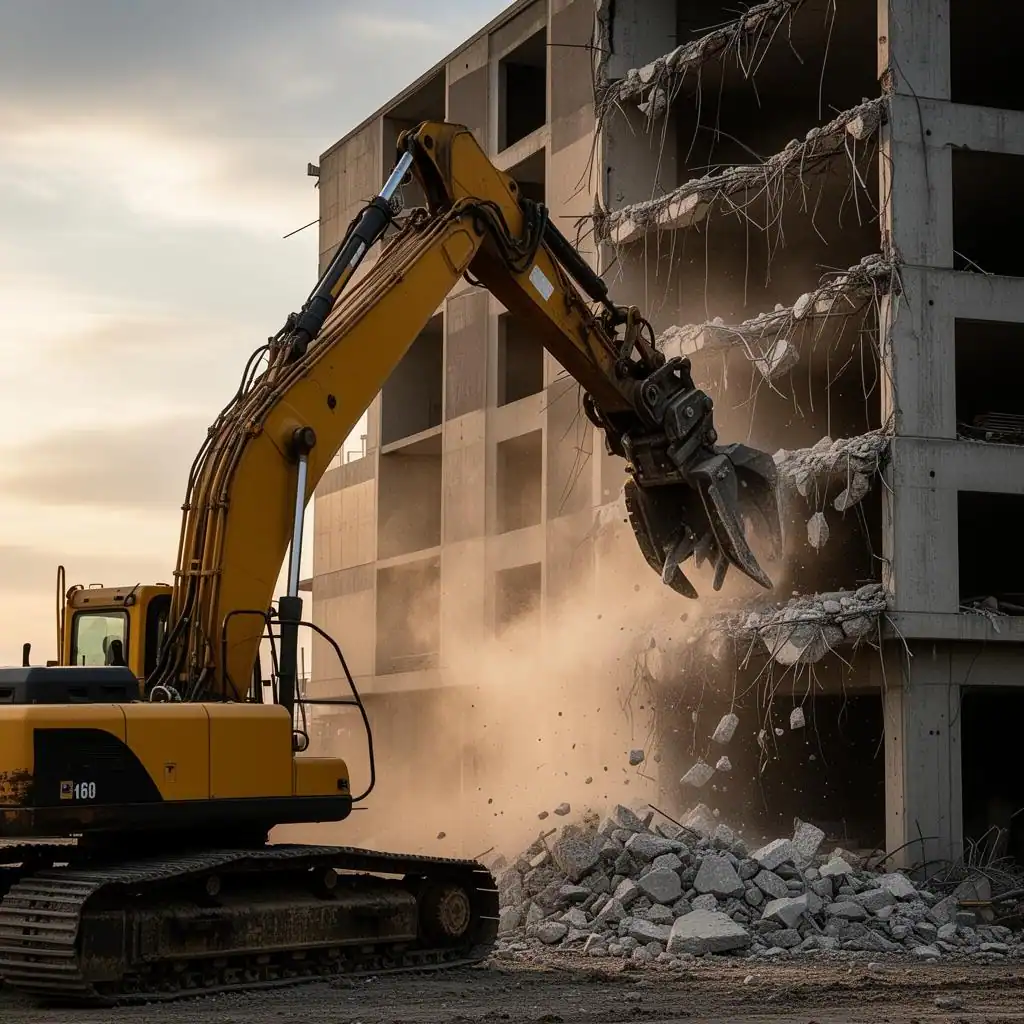
Birmingham is an out-of-state project market, staged for the duration rather than commuted. Alabama's heavy industrial stock is exactly the kind of equipment-rich work where the recovery credit carries the mobilization and then some.
Full-Scope Industrial Demolition.
That density is why this market makes sense for us despite the distance. Heavy manufacturing facilities carry very large electrical distribution, substantial rotating equipment, cranes, process cooling and compressed air systems, and machine tools — all of which have real secondary markets. We appraise it before quoting demolition and credit it back, and on plants of this type that credit is frequently the dominant number in the whole transaction.
Plant & Facility Teardown
Full or partial demolition of manufacturing plants, warehouses, cold storage, and processing facilities.
Interior & Structural Demo
Interior strip-outs, selective structural demolition, concrete and slab removal, and phased teardowns.
Equipment Recovery
We recover and buy the chillers, boilers, generators, and switchgear inside — offsetting your demolition cost.
Permitted & Compliant
Local permitting, asbestos/hazmat coordination, OSHA-compliant crews, and clean chain-of-custody.
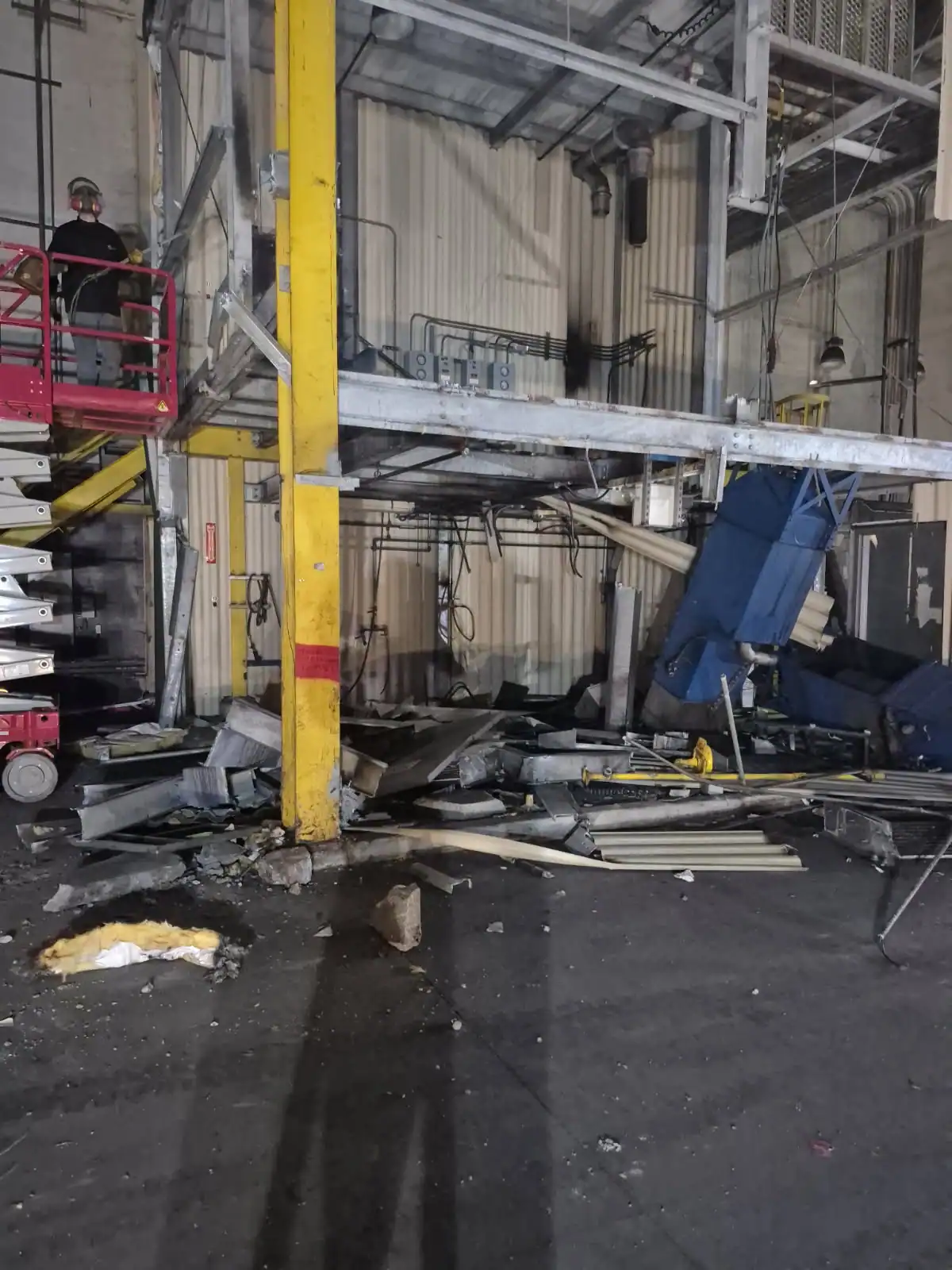
- Crews staged for the project duration, mobilization priced openly
- Heavy industrial structures — thick concrete, heavy steel, deep foundations
- Full plant decommissioning with environmental sequencing
- We buy transformers, switchgear, MCCs, compressors, cranes and machine tools
The Demolition Company That Pays You Back for What's Inside
Older heavy industrial sites also carry real complexity, and it is better to name it plainly. Long operating histories mean asbestos in insulation and refractory, lead paint on structural steel, process residues in tanks and piping, and soils that may warrant assessment. None of that is unusual, and all of it needs identifying at the walk so the price and the schedule reflect reality.
We're both a demolition contractor and an industrial equipment buyer, so before the structure comes down we recover the assets that still have value — chillers, boilers, generators, transformers, and switchgear — and credit that value against your demolition cost. Pair that with a full plant decommissioning and cleanup or a selective interior strip-out, and you've got one accountable crew handling the whole job.
Structural demolition on heavy industrial buildings is a different exercise from commercial work. Thick concrete, heavy structural steel, deep foundations, and equipment pads that are effectively part of the structure all produce far more tonnage per square foot than a warehouse. Material separation and on-site processing matter proportionally more, because the hauling is the cost.
Birmingham Demolition: Common Questions
What makes heavy industrial demolition different?+
Tonnage and complexity. Thick concrete, heavy structural steel, deep foundations and massive equipment pads produce far more material per square foot than commercial work, so hauling and on-site processing dominate the cost. The sequencing and safety planning are also considerably more involved.
What environmental issues should I expect on an older Alabama plant?+
Asbestos in insulation and refractory, lead paint on structural steel, process residues in tanks and piping, and potentially impacted soils. On a facility with a long operating history, assume all of it until surveys say otherwise. Identifying it up front is what keeps it from becoming a mid-project dispute.
Is the equipment in an idled plant still worth anything?+
Usually yes, and often a great deal. Transformers, switchgear, motor control centers, large compressors, cranes, process cooling and well-maintained machine tools all hold value even after a facility has been idle. Condition matters, and we assess it honestly rather than quoting from a list.
Can you handle a full plant closure from inventory to clear site?+
That is the work we are structured for. Equipment inventory and appraisal, purchase and removal, systems decommissioning, environmental sequencing, structural demolition, foundation removal and site clearance — managed as one project rather than several contracts that hand off badly.
How is scrap handled versus resale?+
Anything with a functional secondary market is sold as equipment, which is worth substantially more than its weight. What is genuinely at end of life is processed as scrap, separated by material to get the best return. Both flow back into the job economics and we show them separately.
Have a Birmingham site to bring down?
Demolition, equipment recovery, and cleanup under one roof — with the value inside credited back to you.