
Buy a Used Generator or Rent One? A Decision Guide
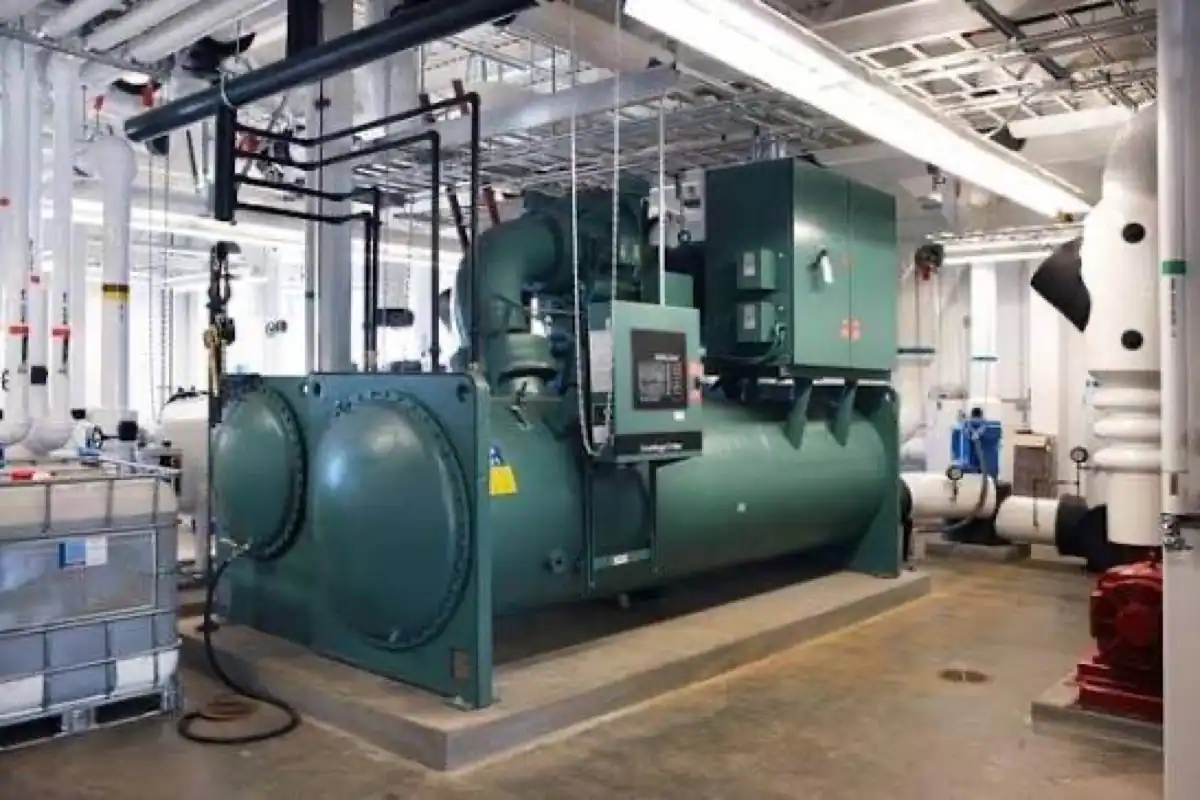
Late fall is when facility managers in Florida start budgeting for next hurricane season, and the generator question comes up every year. Do you keep relying on a rental contract, or do you buy a used standby unit and own your backup power outright? Both can be the right answer. The wrong answer is usually the one made in a hurry in July.
We buy and sell used industrial generators across the state, so we see both sides: plants that bought a unit they barely needed, and plants that waited on a rental that never showed up. This guide walks through the factors that actually decide it.
Start with how many hours you really need
The first question is not price. It is how often and how long your facility needs backup power.
- Occasional, short outages: If your site loses power a few times a year for a few hours and nothing critical spoils or shuts down, a rental agreement or even no backup may be fine.
- Long storm outages: If a hurricane could leave you without utility power for days, and that means lost product, spoiled inventory, or idle staff, the math shifts toward ownership.
- Planned events: Scheduled shutdowns, construction tie-ins, or a one-time project are classic rental situations.
Write down what a day without power costs your operation. That number is the ceiling on what backup power is worth to you, and it makes the rest of the decision much clearer.
The storm season rental problem
Rentals work well for planned use. They are much less reliable for emergencies. When a named storm is tracking toward Tampa or Orlando, every facility in its path is calling for the same units at the same time. Even with a contract, read the fine print on priority, delivery windows, and what happens if the rental company's fleet is already deployed.
There is also the delivery itself. Roads may be closed, crews may be stretched thin, and a unit that arrives two days after the power goes out did not save the inventory. If your backup plan depends on a truck reaching you during or right after a storm, treat that as a real risk, not a footnote.
Owning a unit on a pad at your site removes that dependency. It also means the generator is sized and wired for your load instead of whatever happened to be available.
Transfer switch and electrical work
This is the part people underestimate in both directions.
A permanently installed standby generator needs an automatic or manual transfer switch, proper conductors, a pad or foundation, and fuel supply. If your building has never had standby power, that infrastructure is a real project with permitting and an electrical contractor involved. The cost of the generator itself may not be the biggest line item.
Rentals need connection points too. Many facilities install a manual transfer switch with a rental hookup so a portable unit can be plugged in quickly. If you go the rental route, that hookup is worth doing before storm season, not during it.
The good news: if you already have a transfer switch from a previous unit, or a hookup panel sized for your load, ownership gets much cheaper because the hard electrical work is done.
Maintenance is the cost of ownership
A generator you own is only useful if it starts. That means regular exercise runs, oil and filter changes, coolant checks, battery replacement, and fuel management. Diesel left sitting for long periods can degrade, and a unit that has not run under load in a year is a gamble.
With a rental, maintenance is the rental company's job. With a used unit, it is yours, either through your own staff or a service contract. Budget for it before you buy.
Condition matters a lot on the front end too. Before buying any used standby unit, ask for load test results or have one done. We explain what a proper test shows in our post on used generator load testing. Hours on the meter, maintenance records, and how the unit was stored all affect what you are really getting.
When ownership makes sense
Buying a used generator tends to be the better choice when:
- A multi-day outage would cost you more than the unit, install, and a few years of upkeep
- Your operation has refrigeration, process equipment, or controls that cannot go down
- You already have a transfer switch, pad, or fuel system in place
- You have staff or a service contractor who will actually keep up with maintenance
- You expect to need backup power for years, not one season
Renting tends to win when your need is temporary, your outage exposure is low, or you lack the space and electrical infrastructure for a permanent install.
A used unit also holds value. If your needs change, a well-maintained industrial generator can be resold rather than scrapped. Our post on what a used generator is worth covers the factors that drive resale price, which is worth reading before you buy so you know what to protect. You can also browse current inventory in our guide to used generators for sale in Florida.
Why to decide now, not in spring
Winter is the practical window. Electrical contractors are less booked than they are in May, permits have time to clear, and used inventory is not being bid up by last-minute buyers. A unit bought and installed over the holidays and early in the year can be load tested and exercised well before the first storm watch.
If you wait until June, you are shopping in the same rush as everyone else, and the rental option you were counting on may be booked too.
Talk to us about your backup power plan
Demo Dynasty buys and sells used industrial generators and works with facilities across Florida, including Tampa, Orlando, Lakeland, Winter Haven, and Plant City. If you are weighing a used standby unit against another season of rentals, or you have an old generator to sell before upgrading, give us a call or request a quote. We will talk through your load, your site, and what makes sense for next storm season.
Frequently asked questions
Is it cheaper to rent or buy a used standby generator?
It depends on how often you need it. For short, occasional or planned use, renting is usually cheaper. If a multi-day storm outage would cost your facility significant money and you expect to need backup power for several years, owning a used unit often comes out ahead once you account for rental availability risk.
Do I need a transfer switch if I rent a generator?
You need some safe way to connect it. Many facilities install a manual transfer switch with a hookup panel so a rental unit can be connected quickly. Having that work done before storm season makes a rental far more useful in an emergency.
What should I check before buying a used generator?
Ask for load test results, maintenance records, runtime hours, and details on how and where the unit was stored. A load test shows whether the generator can carry its rated output, which matters more than how it looks or how it idles.
Looking for used equipment?
We move chillers, boilers, generators, and cooling towers across Florida and nationwide. Tell us what you need.
Ask About Available UnitsMore in Buying Guides
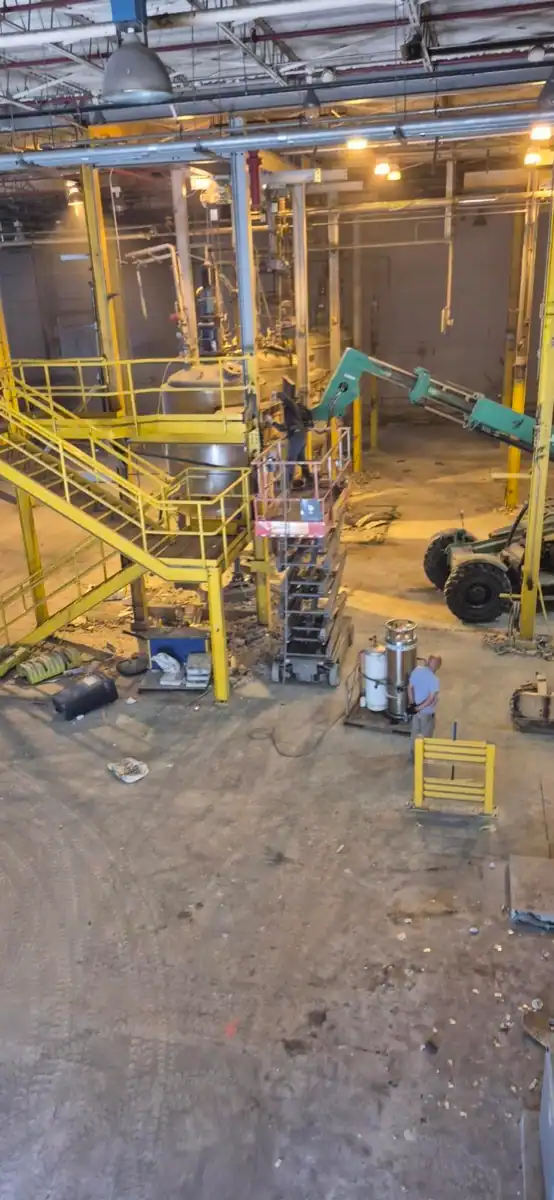
Buying and Selling Used Industrial Equipment in Auburndale and Polk County
How Polk County buyers can inspect used chillers, boilers, and switchgear in person, and how local sellers get equipment picked up from our Auburndale base.
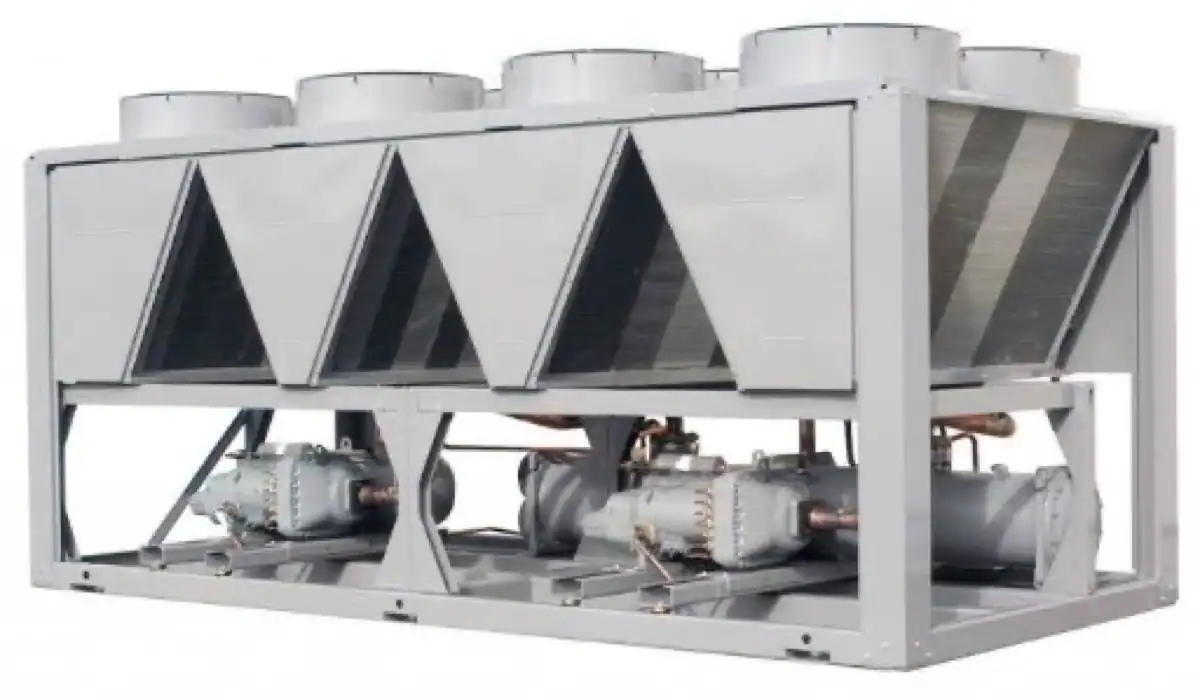
Buying a Used Boiler Mid-Winter in Florida: Lead Times and Stopgaps
When a boiler quits during a Florida cold snap, a used replacement can move faster than new, but not overnight. Here is how the timeline really runs and when to bridge it.
Buying Used Machine Tools From a Plant Closure
Machine tools from a closing facility can be the best value in industrial equipment, provided you evaluate wear, controls and what it takes to move.