
Decommissioning a Citrus Processing Plant
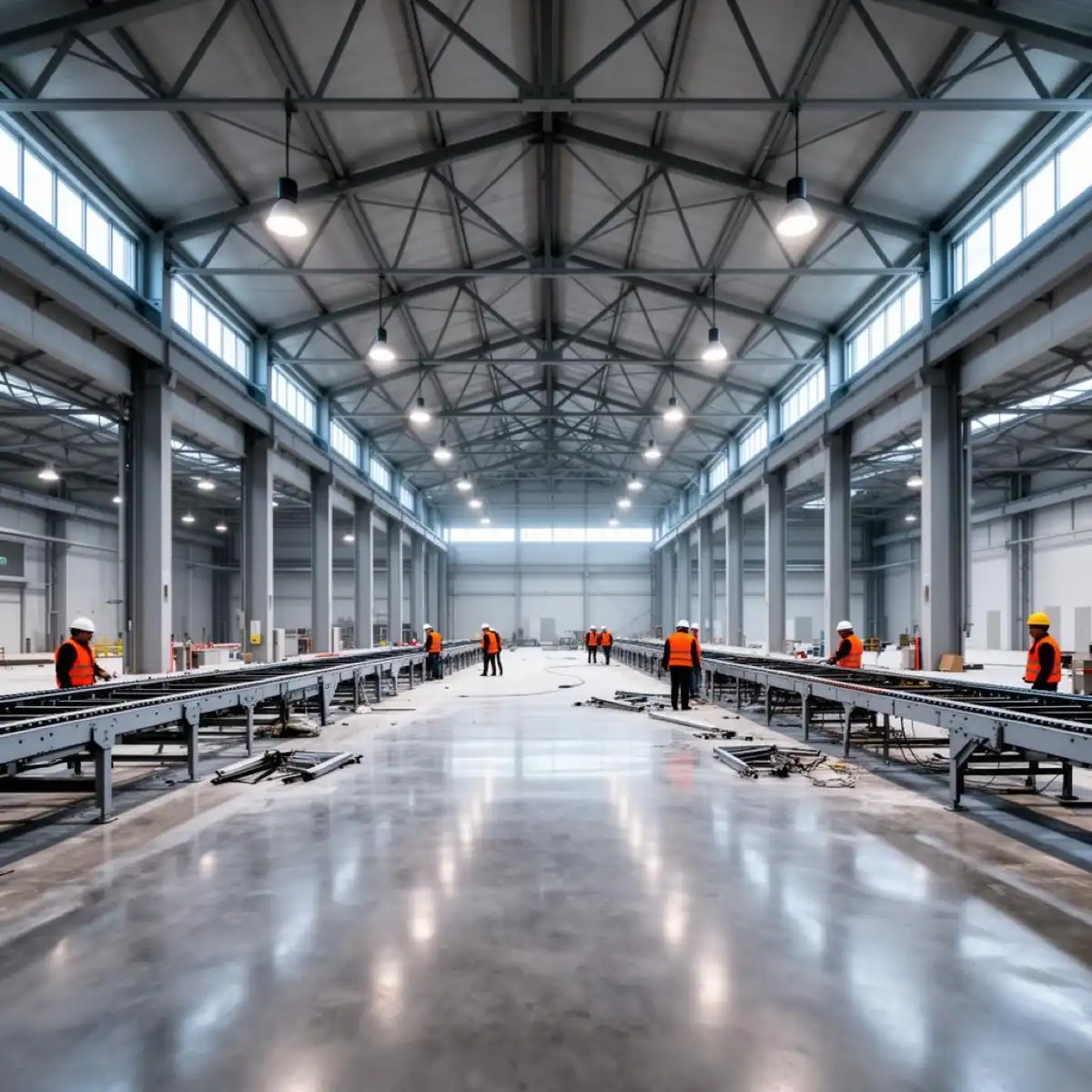
Central Florida has more idle citrus processing space than it did a decade ago. Groves lost to greening, consolidation among processors, and smaller fruit crops have left plants in Polk, Highlands and surrounding counties partly or fully shut down. Many of these buildings still hold the equipment that ran the last season: evaporators, extractor lines, finishers, tank farms, ammonia refrigeration and miles of stainless piping. Some of it has real resale value. Much of it is worth more as clean stainless scrap than anyone expects. And a few pieces cost money to remove no matter what.
We work out of Auburndale, in the middle of citrus country, and this guide covers how we approach citrus processing plant decommissioning: what we look at first, how we sort resale from scrap, and where owners usually lose money by moving too fast. For the broader process that applies to any food plant, see our post on food processing plant decommissioning.
Start with an inventory before anyone cuts
The most expensive mistake in a closed plant is letting a scrap crew in before the equipment has been sorted. Once a line is torched apart, any resale value is gone. Before demolition we walk the plant and build a list that covers make, model, size, condition, and whether the equipment was running at shutdown. Nameplates, maintenance logs and the date of the last pack all matter. A plant that ran last season is a very different sale from one that has sat in humid Florida air since the early 2010s.
We also look at how equipment comes out. Evaporators and large tanks were often set before walls or roofs were finished. Rigging paths, roof openings and crane access drive the cost of removal and sometimes decide whether resale makes sense at all.
Evaporators and juice lines
The evaporator is usually the largest single asset in a concentrate plant. Multi-effect evaporators are mostly stainless and very heavy, and their resale market depends on condition, capacity and whether a buyer can use the configuration. Some go to processors in other regions or other industries such as dairy or other fruit concentrates. Many do not, and they end up as high-grade stainless scrap.
Juice extraction and finishing lines are more mixed:
- Extractors and finishers can have resale value if they are complete and serviceable, though demand is narrow and buyers are specific.
- Pasteurizers and plate heat exchangers often sell, since plates and frames are useful across food and beverage work.
- Pumps, motors and gearboxes are frequently the easiest items to resell, especially sanitary stainless pumps.
- Conveyors, washers and fruit handling equipment is usually carbon steel with some stainless and tends to go to scrap.
Tank farms
Citrus plants store juice, concentrate, oil and essence in large stainless tanks, often in outdoor tank farms or aseptic storage areas. Large field-erected tanks are rarely worth moving whole; the transport and rigging cost outweighs what a buyer pays. They are typically cut in place and sold as stainless scrap, which is often a meaningful number given the tonnage.
Smaller shop-built tanks, aseptic tanks in good condition and agitated mix tanks have a better chance at resale. Every tank needs to be confirmed empty and cleaned before cutting. Residual product, cleaning chemicals and peel oil all need to be handled properly, and citrus oil residue is flammable, so hot work around oil recovery equipment gets extra attention.
Refrigeration and utilities
Most citrus plants run large ammonia refrigeration systems for chilled juice and frozen concentrate storage. The ammonia charge has to be recovered by qualified people before compressors, condensers and evaporator coils come out. Screw compressors from known manufacturers can resell. Evaporative condensers and coils depend heavily on corrosion; many go to scrap. Our cold storage decommissioning guide covers freezer and refrigeration teardown in more detail.
Utilities are often the steadiest resale category in a closed plant. Boilers, chillers, cooling towers, transformers, switchgear and standby generators all have secondary markets, and these are equipment types we buy directly. A plant's electrical service in particular can be worth a lot more sold intact than scrapped.
Stainless piping and what it is worth
Citrus plants are full of sanitary stainless tubing, CIP lines and process piping. Used sanitary piping rarely resells as piping because buyers want new for food contact work. Its value is in the metal, and clean, sorted stainless brings noticeably more than mixed loads. Separating 304 from 316, removing gaskets and insulation, and keeping carbon steel supports out of the stainless pile all help. We go through this in process piping removal and scrap.
Insulation deserves a check before removal. Older plants may have pipe insulation or building materials that need testing for asbestos, and that needs to be settled before demolition starts.
Resale versus scrap: a quick sort
In general, we see:
- Often resale: sanitary pumps, plate heat exchangers, screw compressors, boilers, chillers, generators, transformers, switchgear, smaller stainless tanks.
- Sometimes resale: evaporators, extractors, finishers, aseptic systems, depending on condition and buyer fit.
- Usually scrap: field-erected tanks, sanitary piping, conveyors, structural steel, corroded condensers and coils.
- Usually a cost: contaminated residues, insulation requiring abatement, concrete foundations and general debris.
The goal is to let the resale and scrap value offset as much of the removal and cleanup cost as possible, and to leave a building that can be sold, leased or redeveloped.
Talk to us about your plant
If you own or manage a closed citrus facility in Polk County, the Tampa to Orlando corridor or elsewhere in Florida, we can walk the site, sort what has value, and give you a plan for equipment purchase, decommissioning and cleanup. Call us or request a quote and we will set up a site visit.
Frequently asked questions
Is a used citrus evaporator worth anything?
Sometimes as a working unit, if it is in good condition and a buyer can use its capacity and configuration. When no resale buyer fits, the stainless content still makes it valuable scrap, which can offset a good share of removal cost.
What has to happen before equipment is removed from a closed citrus plant?
Tanks and lines need to be emptied and cleaned, the ammonia refrigeration charge has to be recovered by qualified people, electrical and utilities must be isolated, and suspect insulation or building materials should be tested. Equipment should also be inventoried before any cutting so resale items are not scrapped.
Do you buy equipment from citrus plants or only demolish them?
Both. We buy used industrial equipment such as boilers, chillers, cooling towers, transformers, switchgear and generators, and we handle plant decommissioning, scrap recovery and cleanup across Florida.
Decommissioning a facility?
Full plant cleanup — equipment recovery, hazmat-aware, turnkey scopes.
Get a Plant Cleanup QuoteMore in Plant Cleanup
Using the Holiday Shutdown Window for Decommissioning Work
If your plant goes dark between Christmas and New Year, that week can be used to pull idle lines, old switchgear or a chiller. The catch is that the planning has to happen now.
Utility Isolation and Lockout During a Plant Decommissioning
Every energy source in a facility has to be identified, isolated and verified before removal work starts. This is the plan that prevents the serious incidents.
What to Do With Process Piping
Miles of pipe in an industrial facility is either a disposal cost or a recovery, depending on what ran through it and how it comes out.