
Selling Equipment From a Closed Family Business or Estate
A lot of the calls we get this time of year start the same way. A parent or grandparent ran a machine shop, a small plant, or a fabrication business for decades, and now the family is closing it out. Sometimes the owner is still around and ready to retire at year end. Sometimes it is an estate, and the people handling it have never set foot past the front office. Either way, there is a building full of equipment, no clear records, and a lease, tax deadline, or sale closing that is not going to wait.
We buy used industrial equipment and clear buildings across Florida, so we see both sides of this. Here is how we suggest heirs and owners approach it so they get a fair result without spending months on it.
Start with a walk-through and photos, not a spreadsheet
Most family businesses kept the important paperwork in someone's head. Do not let missing manuals or invoices stop you. Walk every room, the yard, the roof, and any outbuildings with a phone and take pictures of each piece of equipment. For each item, get:
- A wide shot showing the whole unit and where it sits
- A close photo of the nameplate or data tag (make, model, serial, voltage, capacity)
- Any hour meter or gauge readings
- Signs of condition: leaks, rust, missing panels, disconnected wiring
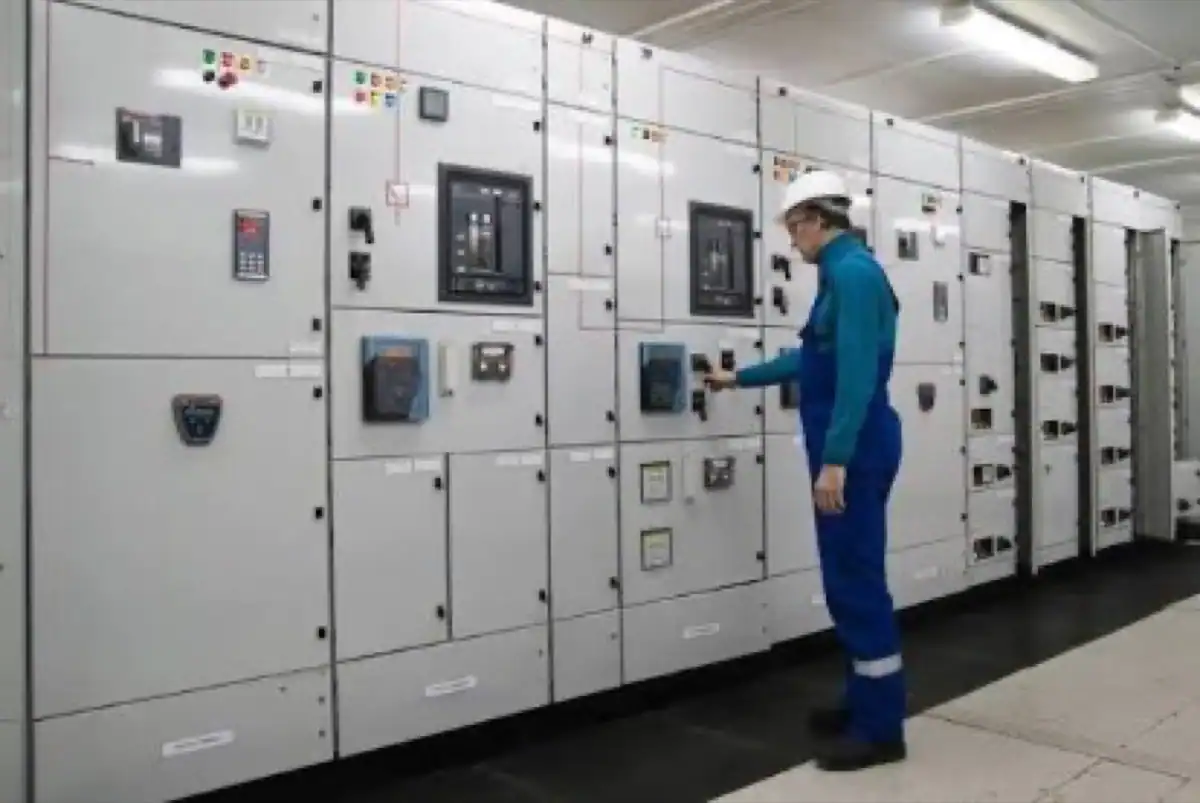
Do not skip the equipment people forget. Chillers and cooling towers on the roof or behind the building, the pad-mounted transformer, the switchgear in the electrical room, a standby generator, and an old boiler in the back are often worth more than the machines on the shop floor. Nameplates are the single most useful thing you can collect. A buyer can tell a great deal from a clear photo of one.
Figure out what still runs, honestly
Value depends heavily on whether equipment was operating recently and how it came out of service. If the business ran until last month, say so. If a chiller has sat unpowered for three years, say that too. Buyers will find out during inspection anyway, and an accurate description gets you a firmer offer faster.
If you can, talk to a former employee or the service company that maintained the equipment. They often know which compressor was rebuilt, which generator was load tested, and which unit was already on its way out. A few service tickets found in a desk drawer can noticeably improve what a buyer is willing to pay.
Get a fair read on value
There are really three outcomes for any piece of equipment: it gets resold and reused, it gets parted out, or it goes to scrap. Name-brand equipment in decent condition with a known service history has a real secondary market. Very old, damaged, or obsolete units are usually worth their metal and components.
A few things affect the number more than families expect:
- Removal difficulty. A transformer on an accessible pad is very different from a chiller that needs a crane over the roofline. Rigging cost comes out of what anyone can pay.
- Timing. A buyer who can schedule removal before your deadline is worth something on its own.
- Bundling. Offering the whole building's equipment together often beats selling piece by piece, because one crew and one mobilization covers everything.
Get more than one opinion if the equipment is significant, and be wary of anyone who gives a firm number without seeing photos or the site. We wrote more about what happens to equipment when a plant closes if you want to understand where each item usually ends up.
Sort out authority and paperwork early
With an estate, the person signing the bill of sale needs to have the legal right to sell. That may be the executor or personal representative, or it may require the probate process to move along first. Check with the estate attorney before agreeing to anything. If the building is leased, read the lease for what must be removed and the condition the space must be left in. Utility disconnects, especially for high-voltage gear, need to be coordinated before anything gets cut loose. Leftover oils, refrigerants, and chemicals should be identified so they are handled properly rather than discovered mid-cleanout.
Clear the building in the right order
The smoothest closeouts follow a simple sequence. Sell the valuable equipment first, while it is still in place and can be inspected. Then remove the lower-value machinery and scrap. Then handle the general contents: racking, benches, office furniture, decades of stored parts and paperwork. Last, any interior demolition or gutting the landlord or new owner requires.
Working with one company that can buy equipment, haul debris, and handle demolition saves families from coordinating three or four vendors during an already stressful time. It also lets the value of the equipment offset part of the cleanup cost. Our post on selling equipment during a plant closure covers sequencing in more detail, and warehouse cleanout cost and process explains what drives the cleanup side.
One seasonal note: late November through December fills up fast as businesses close books for the year. If you have a year-end deadline, start the conversation now rather than in mid-December.
Talk to us about your building
Demo Dynasty works out of Auburndale in Polk County and serves Lakeland, Winter Haven, Plant City, Tampa, Orlando, and job sites statewide. We buy chillers, boilers, transformers, switchgear, generators, and cooling towers, and we handle the cleanout and demolition that follows. Send us your photos and nameplates or call us to request a quote, and we will give you a straight read on what the equipment is worth and what it takes to clear the building.
Frequently asked questions
Can I sell equipment if there are no manuals or service records?
Yes. Clear photos of the nameplates, plus an honest description of when each unit last ran, are usually enough for a buyer to make an initial offer. Records help, but they are not required.
Who can sign to sell equipment from an estate?
Generally the executor or personal representative with authority over the estate assets. Requirements vary, so confirm with the estate attorney before signing a bill of sale.
Should we sell equipment before or after cleaning out the building?
Before. Valuable equipment is easier to inspect and value while it is in place, and its sale can help offset the cost of the general cleanout and any demolition that follows.
Got equipment to sell?
Cash offers in 24–48 hours. Nationwide pickup. Any condition.
Get a Cash OfferMore in Selling Equipment
Selling Surplus Equipment Before December 31: Year-End Timing That Works
If you want surplus chillers, boilers or switchgear sold and gone by December 31, the calendar is tighter than it looks. Here is what realistically fits.
Selling a Chiller Plant: Whole or Piece by Piece?
A complete central plant sometimes sells better as a system than as components. Here is how to tell which case you are in.
Why Removal Access Changes What Your Equipment Is Worth
A buyer prices the equipment and the extraction together. What you can do about access, and what it is worth.