
Selling Surplus Equipment Before December 31: Year-End Timing That Works
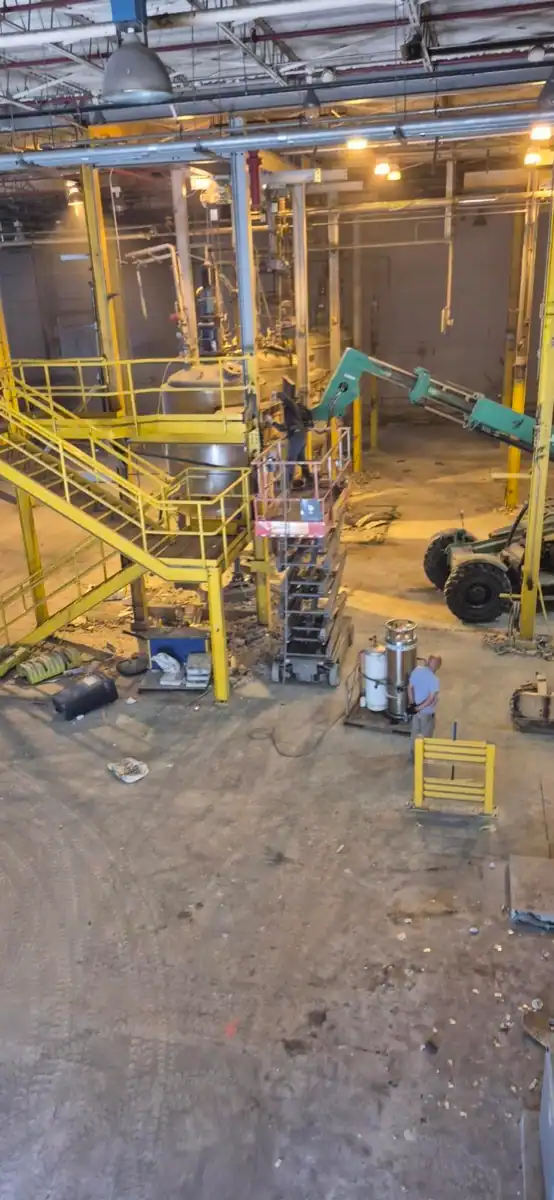
Every November we get the same kind of call: a plant manager or owner has a chiller, a couple of boilers, or a lineup of switchgear sitting idle, and someone has decided it should be sold and gone before December 31. That is doable in a lot of cases. It is also easy to run out of calendar, because the weeks between Thanksgiving and New Year's are short on working days, short on available crane and rigging time, and full of people on vacation who need to sign something.
This post walks through a realistic late-fall timeline from the buyer's side of the table, what usually fits before the holidays and what usually does not, and the questions worth bringing to your accountant before you commit to a year-end date.
Start with what "done" means to you
Before anyone schedules a truck, decide what has to happen by December 31. These are different finish lines:
- A signed agreement and payment received
- Equipment physically removed from your site
- The asset written off or disposed of in your books
- Utilities disconnected and the area cleaned up
Some sellers only need the sale closed and paid this year, and removal can happen in early January. Others need the floor space clear because a lease ends or a new line goes in. Knowing which one you are after changes everything below. If you only need the transaction completed, you have more room. If you need the equipment off the property, you need to move now.
Weeks one and two: get it listed and inspected
The fastest sales start with good information. Send photos of the nameplate, the overall unit, the control panel and any visible wear, along with model, serial number, tonnage or capacity, fuel type or voltage, and how long it has been offline. If you have maintenance logs, oil analysis, refrigerant records or test reports, pull them together now. Our post on the documents buyers want when you sell equipment covers what tends to matter most and what you can skip.
With that in hand, a buyer can usually give you a preliminary number and decide whether a site visit is needed. For larger or higher-value units, plan on a walkthrough to look at access, rigging path, disconnect points and condition. Condition drives price more than anything else, and the factors behind that are laid out in how equipment condition affects resale value. Getting the inspection done before Thanksgiving week is the single biggest thing you can do to keep a year-end date realistic.
Weeks three and four: paperwork and disconnects
Once there is an agreed price, the slow part is usually internal. Purchase approvals, a bill of sale, proof of ownership, and sign-off from whoever controls the asset register all take time, and the people who sign tend to take days off in December.
On the physical side, plan for:
- Electrical disconnect and lockout by a qualified electrician
- Draining water, glycol or fuel, and recovering refrigerant where it applies
- Capping piping and confirming nothing is still tied into a live system
- Clearing a path for rigging and getting any building or landlord approvals
If your own maintenance staff or contractors handle disconnects, book them early. If we are doing the removal, we will tell you exactly what needs to be done on your side before our crew arrives.
The holiday window: what realistically fits
Between Thanksgiving and New Year's you have roughly four working weeks, and the last one is thin. Here is how it usually shakes out:
- Small, accessible equipment like packaged units, smaller generators, transformers on a pad, or skid-mounted gear can often be removed in a day once it is disconnected. These fit comfortably in December.
- Large equipment needing a crane such as rooftop cooling towers, big chillers in a mechanical room, or anything requiring a wall opening needs more lead time. Crane availability tightens near the holidays, so lock in a date early.
- Whole-room or whole-line removals that involve multiple units, structural work or cleanup are better treated as a sale closed this year with removal in January, unless planning started in October.
Florida weather helps here. Late fall and winter are dry in most of the state, so outdoor rigging in Polk County, Tampa or Orlando is rarely held up by afternoon storms the way it is in summer. The bottleneck is almost always scheduling and approvals, not weather.
What to raise with your accountant
We buy equipment, we are not tax advisors, so take these as questions to ask rather than answers. Bring them up before you set a closing date:
- Does it matter for your books whether the sale closes, payment clears, or the equipment leaves the site by December 31?
- What is the current book value of the asset, and how does the sale price compare?
- If the equipment is fully depreciated, how will the proceeds be treated?
- If a unit has no resale value and goes for scrap or disposal, what records do you need to support writing it off?
- Are there several units where selling some this year and some next year makes more sense?
That last point comes up more often than people expect. Splitting a group of assets across two years is easy to arrange if you raise it early. If some of your equipment is close to the line between resale and scrap, our post on scrap vs. resale value for industrial equipment can help you sort which pieces are worth marketing and which are better handled as metal.
If you are starting late
If it is already December, you can still close a sale this year in many cases. Prioritize the simple pieces, get photos and specs to a buyer the same week, and ask whether payment and a signed bill of sale can happen before removal. Removal in early January is common and usually not a problem for the buyer as long as access is agreed in writing.
Get a quote before the calendar closes
Demo Dynasty buys used chillers, boilers, transformers, switchgear, generators and cooling towers across Florida, and our crews handle removal from Lakeland and Winter Haven to Tampa, Orlando, Plant City and statewide. If you want surplus equipment sold and off your books before year end, call us or request a quote with a few photos and the nameplate details, and we will tell you plainly what fits in the time you have left.
Frequently asked questions
Can I sell equipment this year but have it removed in January?
Often, yes. If the price is agreed, the bill of sale is signed and payment is made before December 31, removal can usually be scheduled for early January. Ask your accountant whether the sale date or the removal date matters for your books, and put the removal date and site access in writing.
How early should I start if I want equipment gone by December 31?
For small, accessible units, starting in mid to late November is usually enough. For large equipment that needs a crane, a wall opening or multiple units removed, aim to have inspection done before Thanksgiving because rigging and crane schedules tighten in December.
What should I send to get a fast offer?
Clear photos of the nameplate, the full unit and the controls, plus model, serial number, capacity, fuel type or voltage, and how long it has been offline. Maintenance records and test reports help, and a note about access, such as rooftop, basement or ground level, helps us plan removal.
Got equipment to sell?
Cash offers in 24–48 hours. Nationwide pickup. Any condition.
Get a Cash OfferMore in Selling Equipment
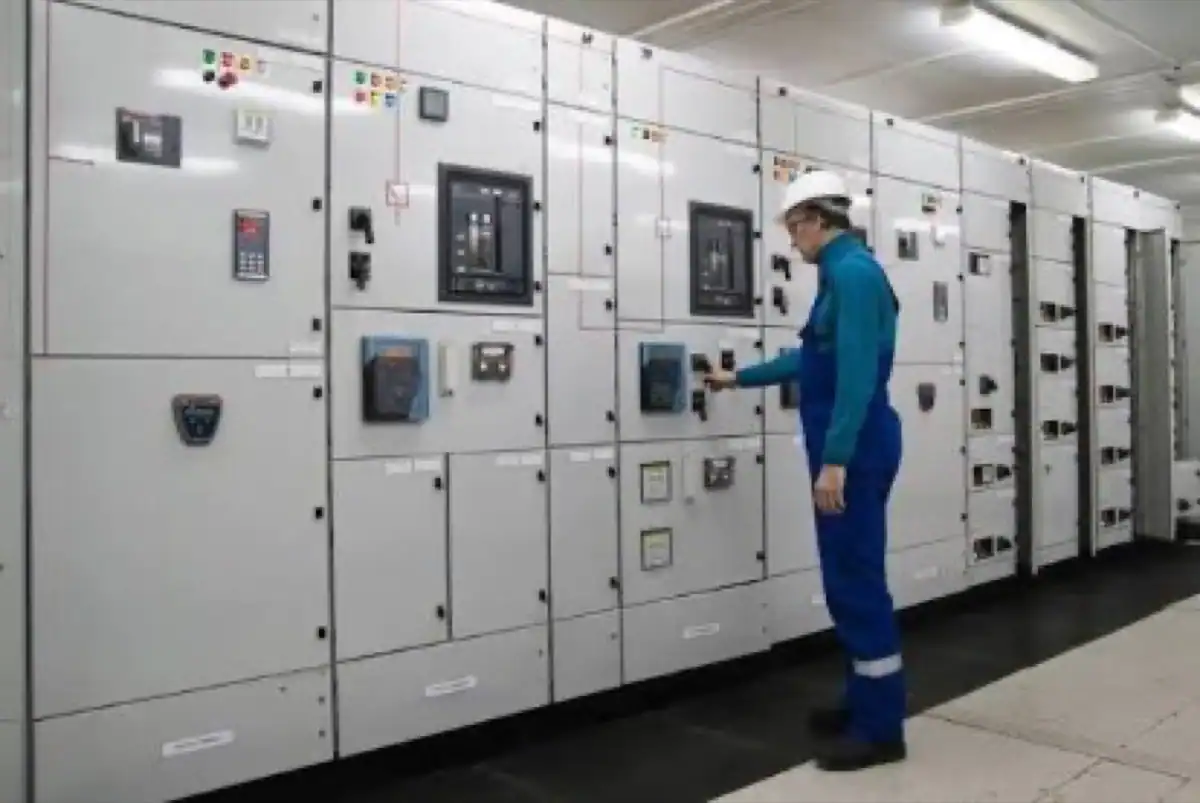
Selling Equipment From a Closed Family Business or Estate
Closing a family shop or settling an estate? Here is how to sort equipment with no paperwork, judge what it is worth, and get the building empty.
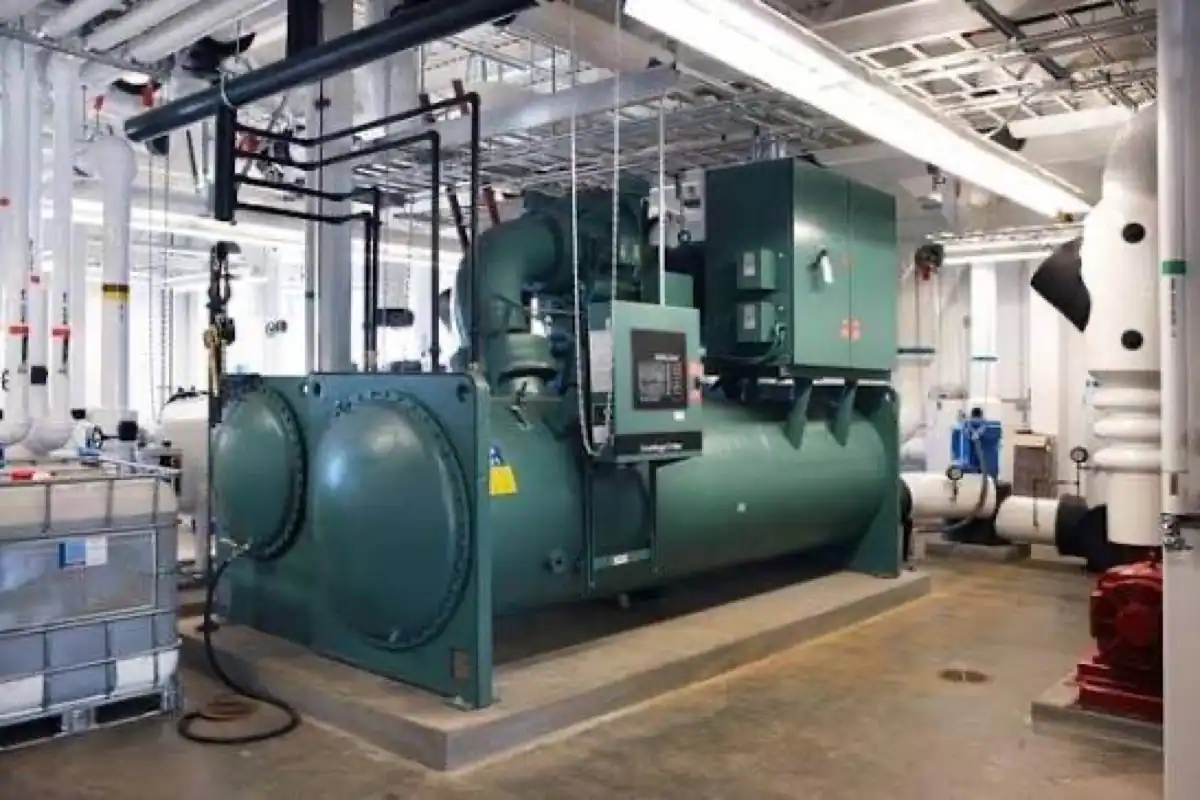
Selling a Chiller Plant: Whole or Piece by Piece?
A complete central plant sometimes sells better as a system than as components. Here is how to tell which case you are in.
Why Removal Access Changes What Your Equipment Is Worth
A buyer prices the equipment and the extraction together. What you can do about access, and what it is worth.