
Why Winter Is a Good Time to Gut a Florida Rehab
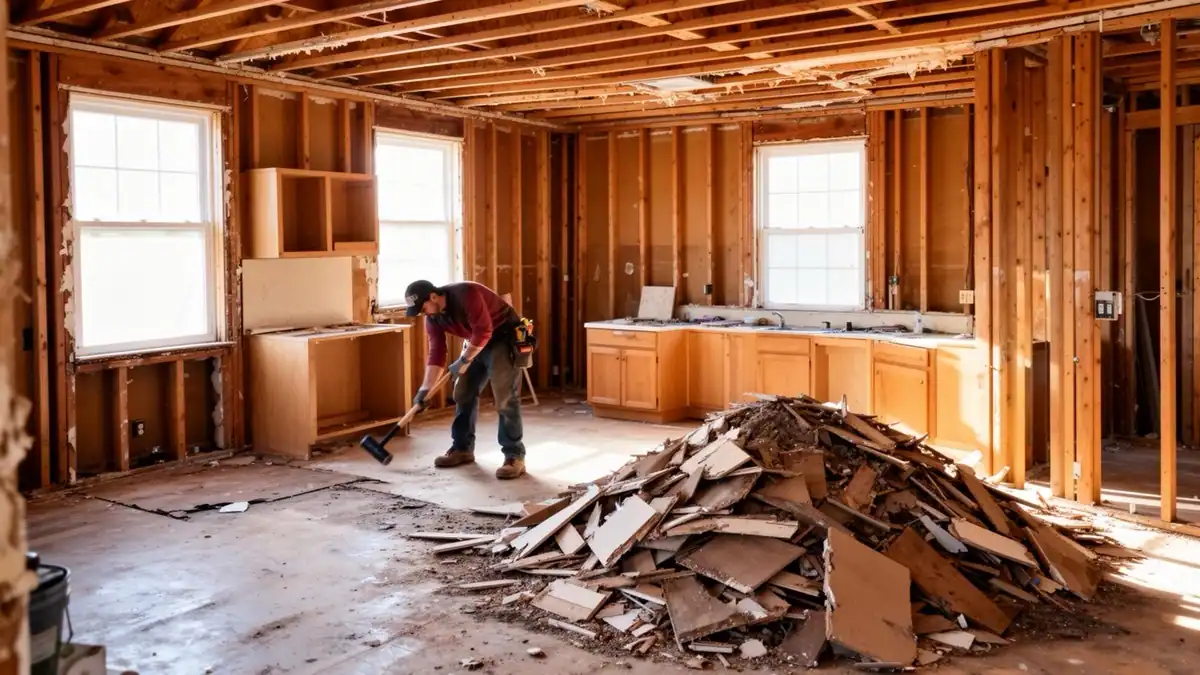
Most of the year in Central Florida, a gut rehab runs on the weather's schedule. Afternoon storms soak open framing, dumpsters fill with rainwater, and crews lose hours waiting for a cell to pass. From roughly November through April, that changes. The dry season is the most predictable stretch we get for tearing a house down to studs, and investors who plan around it tend to finish demo faster and hand a cleaner, drier shell to their trades.
We gut houses across Polk County, Tampa, Orlando, Lakeland, Winter Haven and Plant City, and the difference between a July gut and a January gut is noticeable. Here is why winter works, and what to line up now while the holidays slow everything else down.
Dry season means fewer lost days
Summer rain in Florida is not an occasional problem. It is close to a daily one. Every storm that rolls through during demo can stop work, turn debris piles heavy and wet, and push a job back. In winter, rain tends to come with passing fronts that you can see days ahead, so it is easier to plan around them.
For a gut rehab, that predictability matters more than the cooler temperatures. When you can trust the forecast for the week, you can stack the dumpster swaps, schedule the crew for consecutive days, and keep the job moving instead of restarting it. If you want a sense of what a normal timeline looks like, our post on how long it takes to gut a house breaks down the stages and what tends to stretch them.
Open roofs and exposed framing are less of a gamble
A lot of investor rehabs involve more than interior demo. Water-damaged roof decking, rotted fascia, a failed addition, or a ceiling that has to come down all the way can leave the structure open for a period of time. During the rainy season, that is a real risk. One heavy storm into an open attic can soak insulation you meant to keep out, wet the subfloor, and start a mold problem in a house you just cleaned out.
In the dry months, that window is much safer. You still want tarps on site and a plan to dry in quickly, but you are not betting the framing on whether the afternoon storm forms. Drier framing also makes it easier for your inspector and contractors to see what they are actually working with, since moisture stains are easier to tell apart from active leaks.
Finish demo early so trades are ready by spring
The biggest scheduling advantage of a winter gut is what it sets up for later. Framers, electricians, plumbers and HVAC contractors get busy as the year moves into spring, and by the time summer storms return, many investors are competing for the same crews. If your house is already gutted, swept and documented by late winter, you are ready to book trades while others are still waiting on demo.
A practical sequence many of our investor clients follow:
- Close or take possession in late fall
- Gut in December or January while weather is reliable
- Walk the shell with trades in January and February for accurate bids
- Start rough-ins as early spring opens up
Getting the house to studs first also tightens your budget. Contractors bid more accurately on exposed walls than on finished ones, and fewer surprises show up after you have committed to a number.
What to line up during the holiday slowdown
The weeks around Thanksgiving, Christmas and New Year are slow for a lot of businesses, and that is useful time for planning. Permit offices and lenders may run on reduced schedules, so starting paperwork early keeps it from stalling your January start. Things worth handling now:
- Permits. Check with your city or county on whether your scope needs a demolition or building permit, and submit early given holiday office closures.
- Utilities. Confirm power and water status and arrange any disconnects needed for safe demo.
- Asbestos testing. Older Florida homes can contain asbestos in popcorn ceilings, flooring, or drywall compound. Testing before demo avoids delays once crews are on site.
- Scope decisions. Walk the house and decide what stays. Our guide on what to keep during a gut rehab covers cabinets, doors, fixtures and framing worth saving.
- Demo quote. Get your gut scheduled before the January rush of investors who closed at year end.
Budget and access are easier in winter too
Cooler weather is easier on crews, which helps keep long demo days productive. Vacant properties are also often easier to access over the holidays, with fewer neighbors and tenants coming and going. For investors carrying a property, every week it sits unworked is holding cost, so using the holiday weeks for planning means no time is lost once work can start. For a look at what drives the price of a gut, see our breakdown of house gutting cost for investors.
Get your winter gut on the schedule
If you have a rehab closing this fall or already sitting vacant, now is a good time to plan the demo. Demo Dynasty handles house gutting and debris removal from our base in Auburndale across Polk County, Tampa, Orlando and the surrounding area. Call us or request a quote through the site, and we will walk the property, talk through scope, and get you on the calendar while the dry season is on your side.
Frequently asked questions
When is the dry season in Central Florida?
The dry season generally runs from about November through April. Rain still happens, mostly with passing cold fronts, but it is far more predictable than the daily afternoon storms of summer.
Do I need a permit to gut a house in Florida?
It depends on the city or county and the scope of work. Interior gutting that touches structural, electrical or plumbing systems often requires a permit. Check with your local building department before demo starts, especially around the holidays when offices may be closed.
Should I test for asbestos before a winter gut rehab?
Yes, especially in older homes. Popcorn ceilings, some flooring and drywall joint compound can contain asbestos. Testing before demo keeps the project from stopping once crews are on site.
Fix-and-flip or rehab portfolio?
House gut-outs in 2–5 days. Volume pricing for repeat investors.
Get an Investor QuoteMore in Investor Guides
What It Costs to Get an Industrial Parcel Development-Ready
Between buying a closed plant and putting something new on it sits a set of costs that are predictable if you ask for them.

Buying a Closed Industrial Plant: What to Check First
Closed plants trade at a discount for reasons. Environmental status, structure, equipment and demolition cost decide whether the discount is real.
Gutting a House After Water Damage in Florida
Flooded and storm-damaged houses need a specific kind of gut-out, fast. What comes out, how far up the wall, and why the clock matters in Florida's climate.