
Industrial Demolition and Plant Cleanup in Plant City, FL
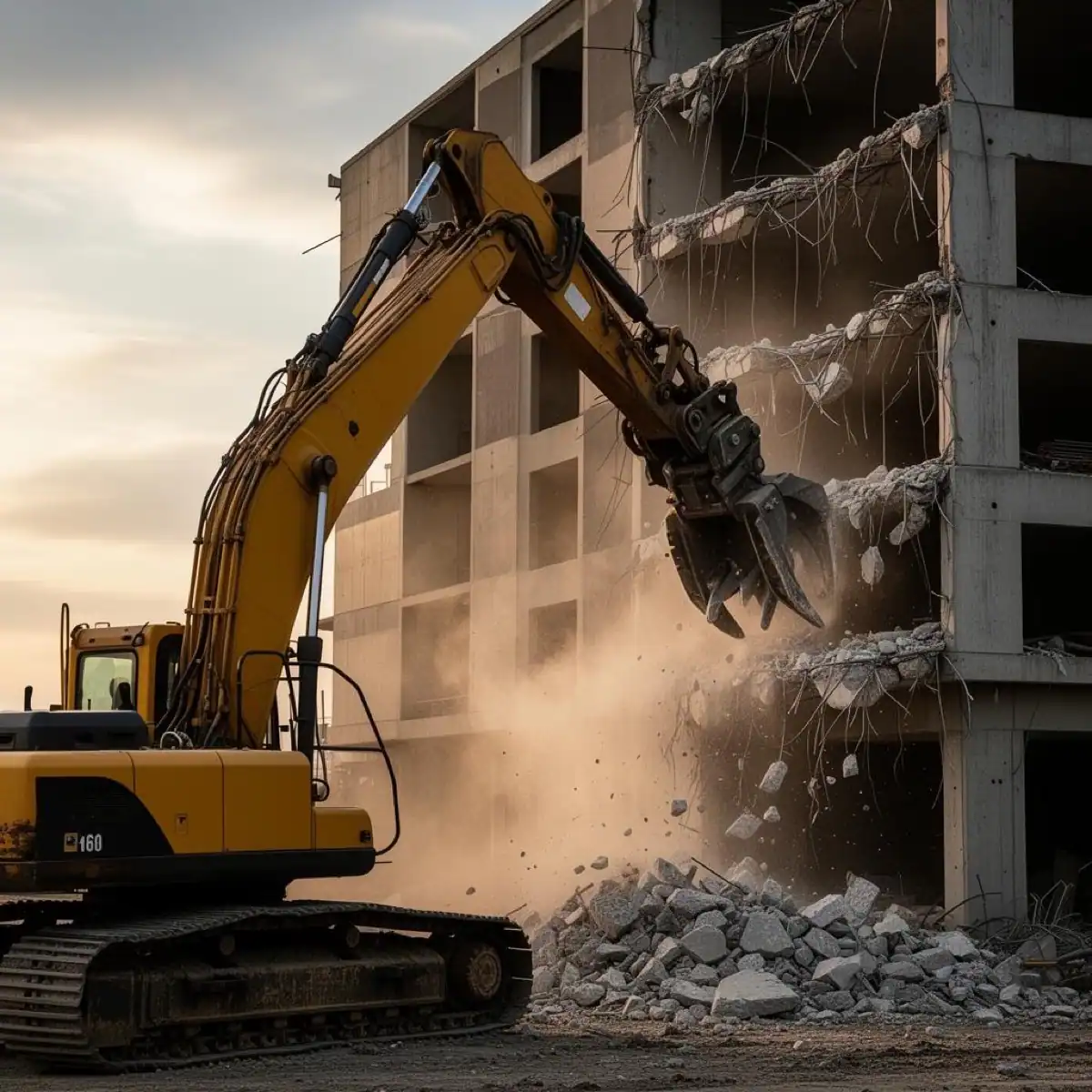
Plant City's industrial buildings mostly grew up around agriculture. Strawberry packing houses, produce coolers, cold storage warehouses, and small processing plants sit along the rail lines and highways east of Tampa, and a lot of them were built, added onto, and re-equipped over several decades. When one of these buildings changes hands or goes idle, the demolition and cleanup work looks different from a typical factory teardown.
This is a local look at what we tend to find inside Plant City agricultural and cold storage facilities, what comes out of them, and how pulling usable equipment before the wrecking starts can change the economics of the job.
What These Buildings Usually Look Like
Most packing and cold storage buildings around Plant City share a few traits. They tend to be pre-engineered metal or tilt-up structures with large open floors, loading docks, and one or more insulated cold rooms built inside the shell. Many were expanded in phases, so you often find two or three generations of construction joined together.
Inside, the layout usually includes:
- Insulated metal panel walls and ceilings forming cooler and freezer boxes
- Refrigeration machinery rooms with compressors, condensers, and evaporator units
- Electrical service gear sized for heavy refrigeration loads
- Conveyor lines, washers, graders, and packing tables on the main floor
- Office and break areas tacked onto one end of the building
That mix matters because each part comes out differently. Panel boxes have to be taken down in order, refrigeration systems need to be handled properly before anything is cut, and electrical gear has to be confirmed dead and disconnected by the utility or a licensed electrician before removal.
What Comes Out of Them
The waste stream from an agricultural or cold storage building is fairly predictable once you have done a few.
Insulated panels. Cooler and freezer panels are metal skins over foam cores. They are bulky and light, and they fill roll-off containers quickly. Some panels in good shape can be reused, but most go out as debris.
Refrigeration equipment. Compressors, condensing units, evaporators, piping, and controls. Refrigerant has to be recovered by qualified technicians before lines are opened. Older ammonia systems need extra planning and the right people on site.
Electrical gear. Switchgear, transformers, motor control centers, and panels. These are often worth more than people expect.
Process equipment. Conveyors, stainless tables, washers, and sorting lines. Stainless and conveyor frames often have scrap value even when the equipment itself is dated.
General debris. Office build-outs, dock levelers, old pallets, drop ceilings, and whatever previous tenants left behind. Many sites we walk have years of accumulated material that has to be cleared before real work can start.
If the building was built or modified decades ago, an asbestos survey is a reasonable early step, since some older roofing, flooring, and mastic materials need testing before demolition.
Where Equipment Recovery Fits
The biggest mistake we see on these jobs is treating everything inside the building as debris. A cold storage facility can hold refrigeration and electrical equipment with real secondary market value, and pulling it out carefully before the structure comes down can offset part of the project cost.
Items we commonly look at for resale or reuse on Plant City jobs include:
- Chillers and refrigeration condensing units
- Pad-mount and dry-type transformers
- Switchgear and distribution equipment
- Backup generators
- Cooling towers serving larger process cooling systems
- Boilers in plants that used hot water or steam for washing or processing
Whether a piece is worth recovering depends on age, condition, brand, and how hard it is to rig out. We break down that decision in more detail in industrial demolition vs. equipment salvage. The short version: walk the site with someone who buys equipment before anyone starts cutting, because a torch or excavator bucket turns resale equipment into scrap in seconds.
Sequencing a Plant City Teardown
A typical agricultural facility job follows a rough order:
- Site walk and inventory of equipment, hazards, and debris
- Utility disconnects and refrigerant recovery
- Equipment removal for resale, with rigging and trucking
- Interior cleanout and debris removal
- Panel box and interior structure removal
- Structural demolition, if the building is coming down
- Final cleanup and load-out of scrap and debris
Not every job goes all the way to step six. Plenty of owners only want the building gutted and cleared so a new tenant can fit it out. If the facility is being shut down as a whole operation, our post on plant decommissioning in Florida covers the broader planning.
Permits and Local Timing
Structural demolition in Plant City requires a permit, and the requirements depend on whether the property sits inside city limits or in unincorporated Hillsborough County. Expect to show utility disconnections and, for many commercial buildings, asbestos survey results. Our guide on how to get a demolition permit in Florida walks through the general process.
Timing is local too. Late fall into early spring is the busy stretch for strawberry operations, so active neighboring packing houses, truck traffic, and seasonal tenants can affect access and scheduling. Owners planning work for the new year should start site walks and permit paperwork now, before the holidays slow down office turnaround.
Talk to Us About Your Plant City Project
Demo Dynasty is based in Auburndale, a short drive from Plant City, and we handle industrial demolition, plant cleanup, debris removal, and used equipment purchasing as one job when that makes sense. If you have a packing house, cooler, or processing building that needs to come down or be cleared out, call us or request a quote and we will set up a site walk.
Frequently asked questions
Can you buy the equipment and do the demolition on the same job?
Yes. We often evaluate chillers, transformers, switchgear, generators, boilers, and cooling towers during the first site walk, remove anything with resale value, and then handle the cleanup and demolition. Combining the work can help offset project costs.
What happens to the refrigerant in old cold storage systems?
Refrigerant has to be recovered by qualified technicians before any lines are opened or equipment is cut. Older ammonia systems need extra planning. We schedule this early so it does not hold up the rest of the job.
Do I need a permit just to gut a building in Plant City?
It depends on the scope. Interior cleanouts and equipment removal may have different requirements than full structural demolition, and rules differ between city limits and unincorporated Hillsborough County. Check with the local building department before work starts.
Need an interior stripped?
Nationwide interior demolition crews. Fast scheduling. Clean hand-offs.
Request a Demo QuoteMore in Demolition
Demolishing a Fire-Damaged Commercial Building
After a commercial fire, the order of operations matters. Here is how insurance, structural safety, debris handling, and salvage fit together before demolition.
Strip Mall and Retail Center Demolition in Florida
Older retail centers are coming down across Florida for redevelopment. Here is what drives the cost and schedule on a strip mall teardown.
Gas Station Demolition: What Is Actually Involved
A gas station teardown is a tank closure, a canopy removal, and a building demolition rolled into one regulated project. Here is how it sequences.